

After an impactful eight-year run, The Internet of Things Podcast has broadcast its final episode, marking the conclusion of a significant chapter in smart home and IoT discourse. Rather than focusing on the typical daily news cycle, which included developments such as Arm’s highly anticipated Initial Public Offering (IPO) in collaboration with SoftBank, a new smart home display option from Brilliant, and the unveiling of new smart circuit breakers and whole-home energy monitors from Leviton, the podcast’s hosts chose to dedicate their swan song to reflecting on their journey and sharing insights into their future endeavors. This final installment served not only as a farewell but also as a curated guide for listeners seeking to stay abreast of the evolving IoT landscape, offering a wealth of recommended resources for podcasts, news outlets, and community forums.
The decision to conclude the podcast was articulated by the hosts, who shared their personal reasons for stepping back from the show. This introspection provided a valuable look into the motivations behind their dedication to the IoT space over the past eight years and offered a glimpse into their future trajectories. In a move that demonstrates their commitment to supporting the community they helped cultivate, the hosts compiled a list of their preferred resources, ensuring that listeners would have ample avenues to continue their engagement with IoT news and analysis.
Curated Resources for the Connected Home Enthusiast
The farewell episode meticulously detailed a range of valuable resources for those keen on staying informed about the Internet of Things and the smart home sector. For podcast enthusiasts, the hosts recommended the Mr. Beacon Show for its in-depth interviews and The IoT Podcast itself, acknowledging its extensive archive of past episodes. In terms of news and analysis, prominent publications such as The Verge, TechHive, and The Ambient were highlighted for their comprehensive coverage of consumer technology, with a particular focus on smart home innovations. The Journal of Innovation, published by the Industrial IoT Consortium, was cited for its more technical and industry-focused perspectives on the IoT.
Beyond dedicated tech publications, the hosts pointed to the vibrant online communities of Reddit, specifically the subreddits r/smarthome and r/homeautomation, as essential platforms for real-time discussions, user experiences, and practical advice on smart home setups. For those interested in the industrial applications of IoT, James Blackman’s contributions to RCR Wireless were singled out for his expertise. Furthermore, the financial and investment landscape of the tech industry was covered by Dan Primack’s Axios Pro Rata newsletter, which provides crucial updates on funding rounds and acquisitions. A more nuanced perspective on IoT, AI, and design was recommended through Iskander Smit’s “Target is New” newsletter, offering thoughtful analyses of emerging trends and their implications. The hosts acknowledged that this list was not exhaustive, but rather a curated selection designed to provide a strong foundation for continued learning without overwhelming listeners in their final broadcast.
A Fond Farewell and a Look to the Future
The podcast’s concluding segment addressed a listener’s question regarding the definition of a "complete" smart home, prompting a discussion on the essential components and the aspirational goals for connected living. This retrospective allowed the hosts to synthesize their years of experience and offer their considered opinions on what truly constitutes a well-integrated and functional smart home ecosystem. Furthermore, the episode delved into forward-looking perspectives on innovation, exploring the driving forces that will continue to propel the industry and shape the future of connected technologies.
The final episode featured Jennifer Pattison Tuohy, a seasoned journalist from The Verge, as a special guest. With nearly a decade of experience covering the smart home sector across various publications, Tuohy was recognized for her insightful reporting, hands-on approach to testing products, and her ability to provide a broader, historical context to technological advancements. Her presence on the show was intended to offer a timely overview of the current state of the smart home market, an assessment of the progress and challenges facing the Matter smart home standard, and an analysis of the most viable business models for connected home devices. Tuohy’s insights into the strategic plans of the Connectivity Standards Alliance, her perspective on the distinction between smart home infrastructure and individual devices, and even a detailed walkthrough of her personal smart home setup, provided a fitting and insightful conclusion to the podcast’s extensive broadcast history.
The Evolving Landscape of the Smart Home
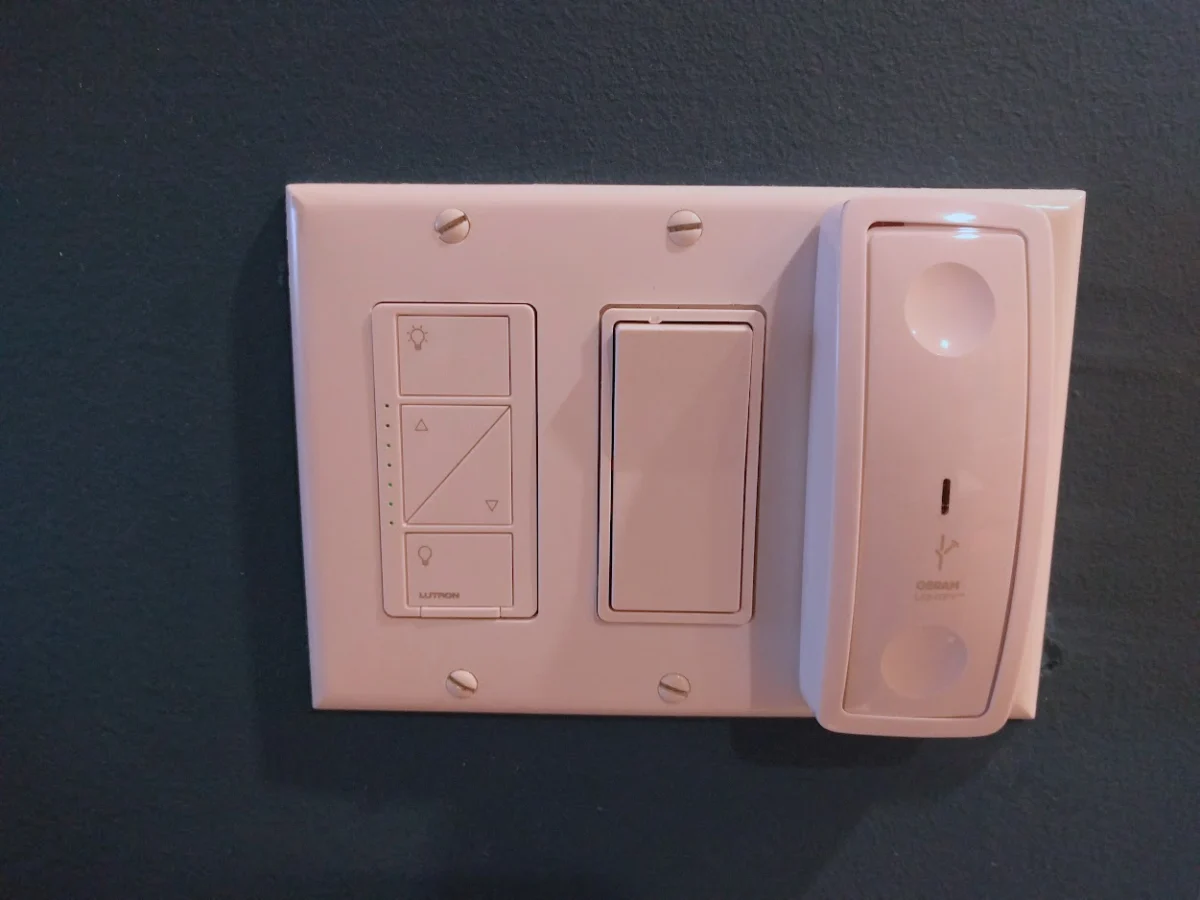
The Internet of Things Podcast’s eight-year tenure coincided with a period of explosive growth and significant evolution in the smart home and broader IoT markets. When the podcast first began full-time operations in 2016, the concept of a connected home was still nascent for many consumers. Smart thermostats, connected speakers, and early iterations of smart lighting were gaining traction, but interoperability issues, security concerns, and a lack of clear consumer understanding often presented significant hurdles. The image accompanying the final episode, depicting a collection of mismatched light switches, serves as a poignant visual metaphor for the early, often fragmented, state of smart home technology before the advent of more unified standards and improved design aesthetics.
The intervening years have seen a dramatic shift. Major technology companies have invested heavily in smart home platforms, and the proliferation of affordable, connected devices has made smart home technology more accessible than ever. However, this rapid expansion has also brought new challenges, including concerns about data privacy, the environmental impact of electronic waste, and the ongoing struggle for seamless integration between devices from different manufacturers.
The Rise of Standards and Interoperability
A key theme that has permeated discussions around the smart home, and one that Jennifer Pattison Tuohy addressed in the final episode, is the critical importance of interoperability. The prolonged development and eventual rollout of the Matter standard represent a significant effort to address the fragmentation that has plagued the industry. Matter, developed by the Connectivity Standards Alliance (formerly the Zigbee Alliance), aims to create a universal language for smart home devices, allowing them to communicate with each other regardless of the manufacturer. This initiative, which has seen participation from major players like Apple, Google, Amazon, and Samsung, represents a concerted effort to simplify the smart home experience for consumers.
Despite its promising potential, the adoption and full implementation of Matter have faced a staggered timeline. Initial delays in certification and the gradual rollout of compatible devices meant that the promised seamless integration has been a slow burn. Tuohy’s insights into the CSA’s future plans likely touched upon ongoing efforts to expand Matter’s capabilities, potentially integrating it with other communication protocols or addressing specific device categories that have been slower to adopt the standard. The success of Matter is crucial for the continued growth of the smart home market, as it directly impacts consumer confidence and the perceived value of investing in connected devices.
Business Models in the Connected Home Era
The economic underpinnings of the smart home industry are as complex as the technology itself. As highlighted in the final episode, understanding the business models that will sustain the connected home is paramount. Traditionally, revenue has been generated through hardware sales. However, with increasing competition and shrinking margins on many devices, companies are exploring alternative avenues.
Subscription services for enhanced features, cloud-based data analytics, and value-added services are becoming increasingly prevalent. For instance, while a smart thermostat might be purchased outright, ongoing revenue could be generated through advanced energy management insights or premium customer support. The industrial IoT sector, which focuses on connecting machinery and systems in manufacturing and other industries, often relies on a combination of hardware, software, and service-based revenue streams, a model that may increasingly influence consumer-facing IoT.
The planned IPO of chip designer Arm, a company whose architecture underpins a vast majority of the world’s mobile and connected devices, underscores the significant financial interest in the technology sector. The valuation of such companies is a barometer for the overall health and future potential of the industries they serve, including IoT.
The Future of Innovation in IoT
The concluding discussion on future innovation in the final episode likely touched upon several key areas. The integration of Artificial Intelligence (AI) and Machine Learning (ML) into smart home devices is a significant trend. AI can enable devices to learn user habits, anticipate needs, and optimize performance autonomously, moving beyond simple command-and-control functionality. For example, AI could enable a smart home to proactively adjust lighting and temperature based on occupancy patterns and external weather conditions, or to detect anomalies that might indicate a security breach or a malfunctioning appliance.
Another area of focus is the increasing sophistication of sensors and the edge computing capabilities of devices. Instead of relying solely on the cloud for processing, many smart devices are now equipped with more powerful processors that allow for local data analysis. This not only improves responsiveness but also enhances privacy by keeping sensitive data within the home. The development of new sensor technologies, capable of detecting a wider range of environmental factors or even biometric data, will further expand the possibilities for connected living.
The discussion may have also encompassed the growing importance of sustainability and energy efficiency in IoT. As concerns about climate change intensify, the ability of smart home technology to reduce energy consumption through intelligent management of heating, cooling, lighting, and appliance usage will become a critical selling point. Innovations in energy harvesting, battery technology, and the development of more energy-efficient communication protocols will also play a vital role in the long-term viability of connected devices.
The conclusion of The Internet of Things Podcast marks the end of an era for many in the smart home and IoT community. However, the insights shared in its final episode, coupled with the wealth of resources recommended, provide a clear path forward for listeners to continue their exploration and engagement with this dynamic and ever-evolving field. The legacy of the podcast will undoubtedly live on through the continued discourse and innovation it helped to foster.
