

The smart home landscape is currently grappling with significant interoperability challenges, particularly concerning the Matter standard and its reliance on Thread, as highlighted by recent reports. Amidst this complex ecosystem evolution, industrial technology giant Honeywell is proactively exploring the transformative potential of Tiny Machine Learning (TinyML) to enhance its vast array of connected devices. This strategic focus on embedding intelligence directly at the sensor level promises to address critical issues such as security, power consumption, and latency, potentially paving the way for more robust and responsive industrial IoT (IIoT) applications.
The Matter Mess: Interoperability Pains and Vendor Puzzles
The smart home industry has been eagerly anticipating the widespread adoption of the Matter standard, designed to create a unified and seamless experience for connected devices. However, early implementations have revealed significant hurdles, primarily centered around the intricate dance between Matter and its underlying communication protocol, Thread. Reports from publications like The Verge have detailed user frustrations stemming from the complexities of Thread credentialing, a crucial step in establishing secure connections between devices. This process, intended to ensure device authenticity and network integrity, has proven to be a significant bottleneck, leading to inconsistent device support and a generally frustrating user experience.
The blame for these issues appears to be multifaceted, with ongoing debates pointing to both the inherent complexities of the standard and the varied approaches taken by vendors in its implementation. The challenge lies in ensuring that all devices adhering to the Matter standard can communicate effectively and securely over Thread networks, regardless of manufacturer. This requires meticulous coordination and adherence to specifications, areas where inconsistencies have emerged. The consequence is a fragmented user experience, where devices that should seamlessly integrate often fail to do so, undermining the very promise of interoperability that Matter aims to deliver.
Chernobyl’s Shadow: Hacked Radiation Sensors and Unsettling Possibilities
Beyond the realm of consumer smart home technology, a more alarming development has emerged from the Chernobyl Exclusion Zone. Reports from investigative journalist Kim Zetter have brought to light the unsettling prospect of compromised radiation sensors. The implications of such a scenario are profound, raising concerns about the potential for malicious actors to manipulate or disable critical monitoring systems in a highly sensitive environment.
The Chernobyl Exclusion Zone, a site of immense historical significance and ongoing environmental monitoring, relies on a network of sensors to track radiation levels. The possibility of these sensors being hacked introduces a chilling element of uncertainty. Such an attack could be used to deliberately conceal dangerous radiation spikes, misinform the public, or even disrupt ongoing remediation efforts. The vulnerability of these critical infrastructure components underscores a broader concern about the security of IoT devices deployed in sensitive or high-risk environments. The timeline for such a potential breach remains unclear, but the mere possibility serves as a stark reminder of the security imperative in the ever-expanding landscape of connected devices.
A New Dawn for RISC-V and the Shifting Semiconductor Landscape
In the semiconductor industry, a significant development signals a potential shift in the architectural landscape. A consortium of leading semiconductor players, including Qualcomm, NXP, and Infineon, have joined forces to back a new company focused on accelerating the adoption of RISC-V. This open-source instruction set architecture (ISA) offers an alternative to proprietary architectures like ARM, promising greater flexibility and customization for chip designers.
The formation of this new RISC-V entity represents a strategic move by these industry giants to foster innovation and diversify their technology portfolios. The RISC-V ecosystem has been steadily growing, driven by its open-source nature, which allows for broader collaboration and reduced licensing costs. This collaborative effort suggests a strong belief in the long-term viability and potential of RISC-V to power a wide range of applications, from low-power embedded systems to high-performance computing. The timeline for widespread adoption of RISC-V-based chips across various sectors remains to be seen, but this significant investment by major players is a clear indicator of its increasing prominence.
Complementing this development, Renesas has reportedly struck a deal to acquire an IoT module business, signaling a consolidation trend within the specialized IoT sector. Such acquisitions often aim to streamline product offerings, enhance market reach, and capitalize on emerging opportunities in specific technology niches. The strategic rationale behind such deals typically involves leveraging combined expertise and resources to accelerate product development and expand market penetration.
Drone Networks and the Future of Critical Infrastructure Protection
The innovation extends to the realm of unmanned aerial vehicles (UAVs), with a California-based drone startup, Birdstop, reportedly raising funding to expand its network of Beyond Visual Line of Sight (BVLOS) drones across America. The company’s ambition to build an on-demand drone network, described as akin to a satellite network, suggests a novel approach to widespread aerial surveillance and monitoring.
The implications of such a network are far-reaching, particularly for critical infrastructure protection. By enabling continuous, on-demand aerial oversight, these BVLOS drones could significantly enhance security and response capabilities for vital assets like power grids, pipelines, and transportation hubs. The ability to deploy drones rapidly and cover vast geographical areas offers a compelling advantage over traditional monitoring methods. The operational timeline for such a network would likely involve phased rollouts and regulatory approvals, but the underlying concept points towards a future where drone technology plays a more integrated role in national security and infrastructure management.

Honeywell’s TinyML Vision: Intelligence at the Edge
Against this backdrop of evolving technology and emerging challenges, Honeywell’s strategic pivot towards TinyML represents a significant exploration of the future of industrial intelligence. Muthu Sabarethinam, VP of AI/ML Product and Services at Honeywell, recently shared insights into the company’s approach to leveraging this cutting-edge technology.
Honeywell, a conglomerate with a deep history in industrial automation, is looking to harness the vast amounts of data generated by its extensive equipment installations. The company’s strategy involves building data-driven services that can provide actionable insights and optimize operational efficiency. However, the sheer volume and velocity of this data present significant processing and transmission challenges. This is where TinyML enters the picture.
The Rationale Behind On-Sensor Intelligence:
Sabarethinam elaborated on Honeywell’s rationale for deploying algorithms directly on sensors. The primary drivers are security, power efficiency, and reduced latency.
- Enhanced Security: By processing data locally on the sensor, sensitive information can be analyzed without ever leaving the device. This significantly reduces the attack surface, as data is not transmitted across potentially insecure networks for analysis. This is particularly crucial in industrial settings where data breaches can have severe consequences, ranging from operational disruptions to intellectual property theft. The timeline for implementing such security measures is ongoing, with continuous refinement of algorithms and hardware capabilities.
- Improved Power Efficiency: Traditional cloud-based AI processing can be power-intensive. Embedding TinyML models directly onto sensors allows for more localized and efficient data processing, leading to substantial power savings. This is a critical factor for battery-powered sensors or those deployed in remote locations where power availability is limited. The potential energy savings, aggregated across millions of sensors, could be substantial.
- Reduced Latency: For applications requiring real-time decision-making, transmitting data to the cloud for processing and then receiving a response introduces unacceptable latency. TinyML enables immediate analysis and action at the edge, facilitating faster responses in critical industrial processes. This is vital for applications like predictive maintenance, where early detection of anomalies can prevent catastrophic failures. The reduction in latency can be measured in milliseconds, a critical difference in high-stakes environments.
Scaling TinyML Deployment:
Honeywell’s ambition extends to over a million sensors currently deployed in the field. The challenge, as Sabarethinam highlighted, lies in the packaging and deployment of these TinyML algorithms. Companies need to develop standardized methods for creating and distributing algorithms that can be easily integrated into a diverse range of sensors. This involves creating robust software development kits (SDKs) and development environments that abstract away the complexities of embedded AI.
The business model for accessing this edge intelligence is also a key consideration. Customers are increasingly looking for flexible ways to access data and leverage AI insights. Honeywell is exploring various models, including subscription-based services and data-as-a-service offerings, to cater to diverse customer needs. The timeline for the widespread availability of these TinyML-enhanced services will depend on ongoing research and development, as well as the pace of adoption within Honeywell’s customer base.
Navigating Home Assistant and Smart Energy Management
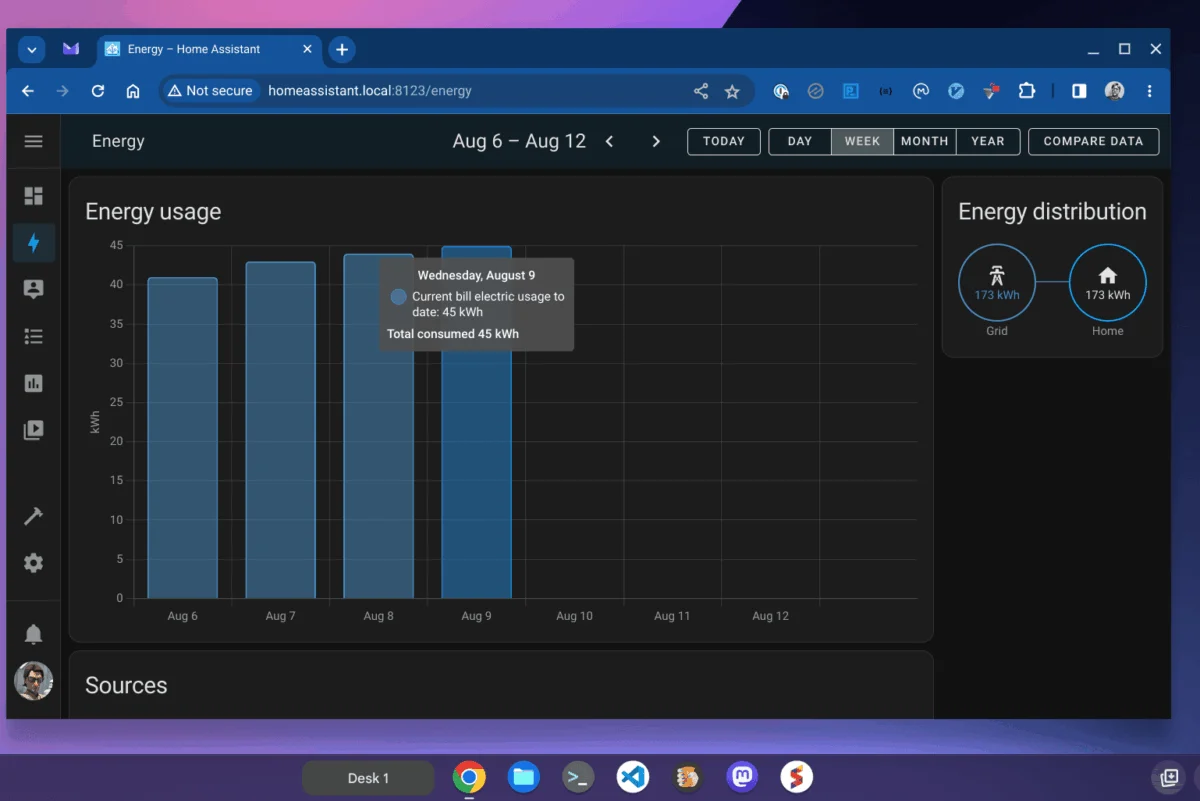
On a more personal note, Kevin shared his experiences and reactions to audience feedback regarding his transition to Home Assistant, an open-source home automation platform. The audience’s engagement with his journey highlights the growing interest in DIY smart home solutions and the desire for greater control and customization. The timeline of his transition, documented through his experiences, provides valuable insights for others considering a similar move.
In parallel, practical advice is being offered to help individuals prepare their homes for upcoming smart energy management programs. These initiatives, often driven by utilities, aim to optimize energy consumption and reduce strain on the power grid. The article provides actionable tips for homeowners to take the first steps towards smart energy management, emphasizing the importance of understanding energy usage patterns and adopting energy-efficient practices. The broader impact of these programs is a more resilient and sustainable energy infrastructure, with potential cost savings for consumers.
Listener Mailbag: Echo Show and Compatibility
The podcast also addressed a listener question concerning the Amazon Echo Show and compatible devices. This segment underscores the ongoing need for clear guidance on smart home device compatibility, a recurring theme in the consumer electronics space. The ability to seamlessly integrate various devices with popular hubs like the Echo Show remains a key factor in user satisfaction and the overall adoption of smart home technology.
In conclusion, the technological landscape is characterized by both significant challenges and exciting advancements. From the ongoing interoperability struggles in the smart home sector to the groundbreaking potential of TinyML in industrial settings, the pace of innovation continues to accelerate. Honeywell’s proactive embrace of edge intelligence signals a forward-thinking approach, poised to redefine the capabilities and security of industrial IoT systems. As these technologies mature and become more accessible, they promise to reshape how we interact with our homes, our industries, and our environment.
