
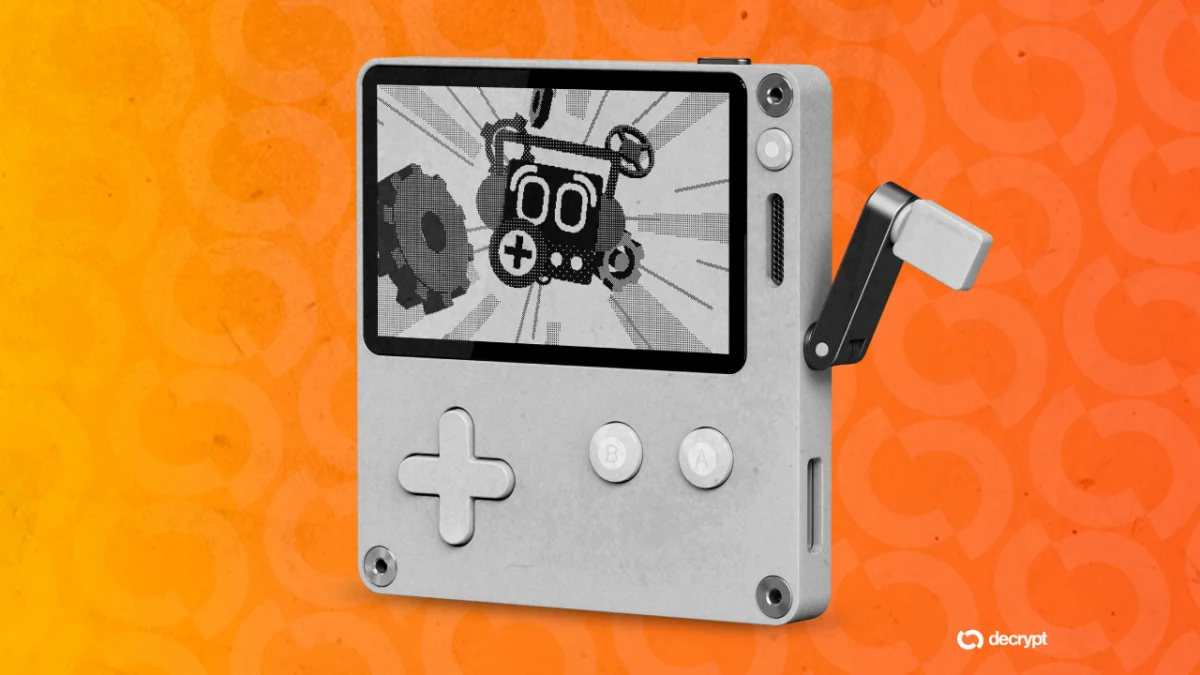

Panic, the creator of the distinctive Playdate handheld gaming console, has implemented a significant policy shift, announcing a comprehensive ban on AI-generated art, music, and writing from its digital storefront, the Playdate Catalog. This move, however, carves out an exception for AI-powered coding tools, establishing a clear demarcation between generative AI applications used for creative output and those employed for technical assistance in game development. The updated terms of service now explicitly prohibit any third-party game submissions that incorporate AI-generated creative content. For developers who utilize AI coding assistants, disclosure to customers remains a requirement, ensuring transparency within the Playdate community.
This policy marks a potentially groundbreaking step in the digital game distribution landscape, as Playdate, with its unique black-and-white screen, iconic fold-out crank, and commitment to indie game development, seeks to further differentiate itself from the dominant players in the gaming industry. Cabel Sasser, co-founder of Panic, articulated the company’s stance in a statement to Game Developer, emphasizing the novelty of this approach. "Playdate Catalog has historically required AI use be disclosed by the developer for any game submissions, that part has never changed," Sasser explained. "But as of this month, the Playdate Catalog storefront now prohibits AI-generated art, music, and writing from any third-party game submissions moving forward."
Sasser proudly highlighted Playdate’s position as a potential pioneer in this area. "We believe we’re one of the first (and possibly only?) digital game storefronts to do this," he stated. "Steam, Nintendo eShop, PlayStation Store, even Itch, etc. all still permit this type of AI-generated work in their listings." He further underscored the rationale behind the decision, describing it as "an important step to take for both game quality and our community."
Genesis of the Policy Shift: A Lesson Learned
The impetus for this stringent policy revision appears to stem from an incident involving "Wheelsprung," a game that was featured in Playdate’s curated Season 2 collection. It was subsequently revealed that the game had leveraged AI tools, specifically ChatGPT and GitHub Copilot, for assistance in its coding and writing processes.
Sasser acknowledged this oversight, admitting in an interview with Exp last year that Panic’s team had not anticipated developers utilizing large language models for their submissions to Season 2. He characterized this assumption as "naive" and took personal responsibility for the game having bypassed their review process. This experience evidently served as a catalyst for a more robust and clearly defined policy regarding AI in game development.
Playdate’s Unique Proposition and the AI Conundrum
Launched in 2022, the Playdate established itself as a boutique gaming device, deliberately eschewing direct competition with high-end handhelds. Its appeal lies in its distinctive design, quirky functionalities, and a curated library of games tailored for a niche audience. The console’s Catalog storefront acts as the principal conduit for games developed specifically for this unique platform. In contrast to the largely silent approach taken by major gaming platforms concerning AI-generated content, Panic’s explicit policy introduces a nuanced distinction between various AI applications in game development, a move that sets it apart within the broader industry.
Escalating Standards: Season 3 and Beyond
The commitment to a more human-centric creative process is further evidenced by the stricter standards being applied to the upcoming curated collection. Panic confirmed in a post on Bluesky that Playdate Season 3 will entirely exclude titles that employ generative AI in any capacity. "We can happily confirm that it was a requirement for all Season 3 devs that no AI can be used in Season 3 games," the company stated, clarifying the scope of the prohibition: "this includes art, music, writing, and, yes, code."
This comprehensive exclusion for Season 3 developers signals a firm and unwavering stance against the integration of generative AI across all facets of game creation for their curated releases.
Analyzing the Implications: A New Frontier in Curation and Community
Panic’s decision to ban AI-generated creative content, while allowing AI coding tools with disclosure, presents several interesting implications for the gaming industry and digital marketplaces.
1. Defining Creative Integrity: By drawing a line between creative and technical AI, Panic is attempting to safeguard what it perceives as the "soul" of game development. The argument can be made that art, music, and writing are core components of a game’s artistic vision and narrative, elements that many players and developers associate with human creativity and expression. Banning AI-generated content in these areas could be seen as an effort to preserve this perceived authenticity.
2. Setting a Precedent for Niche Markets: While major platforms like Steam and the Nintendo eShop have yet to implement similar bans, Playdate’s move could influence smaller, curated marketplaces or indie-focused platforms. These platforms often rely on a strong community identity and a distinct brand of curation, where such a policy might resonate with their user base.
3. The Disclosure Dilemma: The continued allowance of AI coding tools, provided they are disclosed, acknowledges the practical benefits of AI in streamlining development. However, it raises questions about the line between "assistance" and "generation." As AI coding tools become more sophisticated, the distinction might blur, posing future challenges for enforcement and transparency. Customers will need to be educated on what "disclosed AI coding assistance" entails.
4. Player Perception and Demand: The long-term impact will depend on how the Playdate community responds. If players value the "human-made" aspect of games and are willing to support developers who adhere to these guidelines, it could foster a loyal player base. Conversely, if the ban is perceived as overly restrictive or if the quality of games diminishes due to the exclusion of AI tools, it could impact Playdate’s appeal.
5. Economic and Development Considerations: For developers, this policy means a clear directive: if they wish to be featured on the Playdate Catalog, especially in curated seasons, they must avoid AI for creative assets. This could steer development towards traditional methods or encourage developers to explore AI tools in ways that are permissible, such as for concept art iteration or background music composition that is then significantly reworked by a human.
6. The Future of AI in Gaming: This policy can be viewed as a proactive measure in a rapidly evolving technological landscape. As generative AI capabilities continue to advance, many platforms will eventually face similar decisions. Panic’s approach offers one model, focusing on preserving a specific ethos of game creation. Other platforms might opt for full embrace, strict regulation, or a tiered approach based on the degree of AI involvement.
A Timeline of Developments
- 2022: Playdate launches as a unique, indie-focused handheld gaming console. Its Catalog storefront becomes the primary platform for game distribution.
- Unknown Date (prior to mid-2023): A game titled "Wheelsprung" is developed, utilizing ChatGPT and GitHub Copilot for coding and writing assistance.
- Mid-2023: "Wheelsprung" is included in Playdate’s curated Season 2 collection.
- Around Mid-2023: Panic co-founder Cabel Sasser acknowledges in an interview with Exp that the inclusion of "Wheelsprung" was an oversight, admitting their team had been "naive" in not anticipating LLM usage by Season 2 developers.
- Early 2024 (approximate): Panic begins to formulate and announce its updated AI policy.
- March 2024 (approximate): Panic officially announces the ban on AI-generated art, music, and writing from the Playdate Catalog storefront, while permitting AI coding tools with disclosure.
- March 2024 (approximate): Panic confirms that all developers for Playdate Season 3 will be required to avoid AI in any capacity for their submissions.
Broader Industry Context and Potential Reactions
The gaming industry, a multi-billion dollar sector, is in a state of flux regarding artificial intelligence. While many large studios are actively exploring AI for efficiency gains in areas like asset creation, testing, and procedural content generation, public discourse and developer sentiment remain divided.
Potential Reactions from Developers:
- Indie Developers: Some indie developers, particularly those who champion traditional artistic processes, may applaud Panic’s stance and see it as a validation of their craft. Others, however, might view it as a missed opportunity to leverage cost-effective AI tools for their projects, potentially limiting their ability to compete or innovate on the Playdate platform.
- AI Tool Developers: Companies developing generative AI tools for creative purposes might see this as a setback for adoption within a specific niche. Conversely, those focused on AI for coding and productivity might find encouragement in the continued allowance of their tools.
Potential Reactions from Platforms:
- Curated Marketplaces: Platforms that pride themselves on a curated selection and a distinct community identity might consider similar policies if they find that AI-generated content dilutes their brand or alienates their core audience.
- Major Digital Stores: Giants like Steam, PlayStation Store, and Nintendo eShop are likely to continue their current approach of allowing AI-generated content, perhaps with varying degrees of disclosure requirements. Their sheer scale and diverse user base make a blanket ban less feasible and potentially detrimental to their vast libraries. The economics of their platforms are also vastly different, with AI potentially offering significant cost savings for content creation across millions of titles.
The "Human Touch" Argument:
Panic’s policy leans heavily on the idea of preserving the "human touch" in creative endeavors. This sentiment resonates with a segment of the gaming community that values the perceived authenticity, intention, and artistic journey behind a game’s creation. The unique analog nature of the Playdate itself—its crank, its monochrome screen—reinforces this ethos, suggesting a platform that prioritizes tactile experience and a certain deliberate charm over cutting-edge digital fidelity.
In conclusion, Panic’s decision to ban AI-generated creative content from the Playdate Catalog is a bold statement in the ongoing conversation about AI’s role in art and technology. By clearly delineating between creative and technical AI applications, Playdate is not only attempting to shape its own ecosystem but also potentially influencing how other platforms and developers approach this rapidly evolving frontier. The long-term success of this policy will hinge on its reception by the Playdate community and its ability to maintain the platform’s unique appeal in the dynamic world of video games.
