
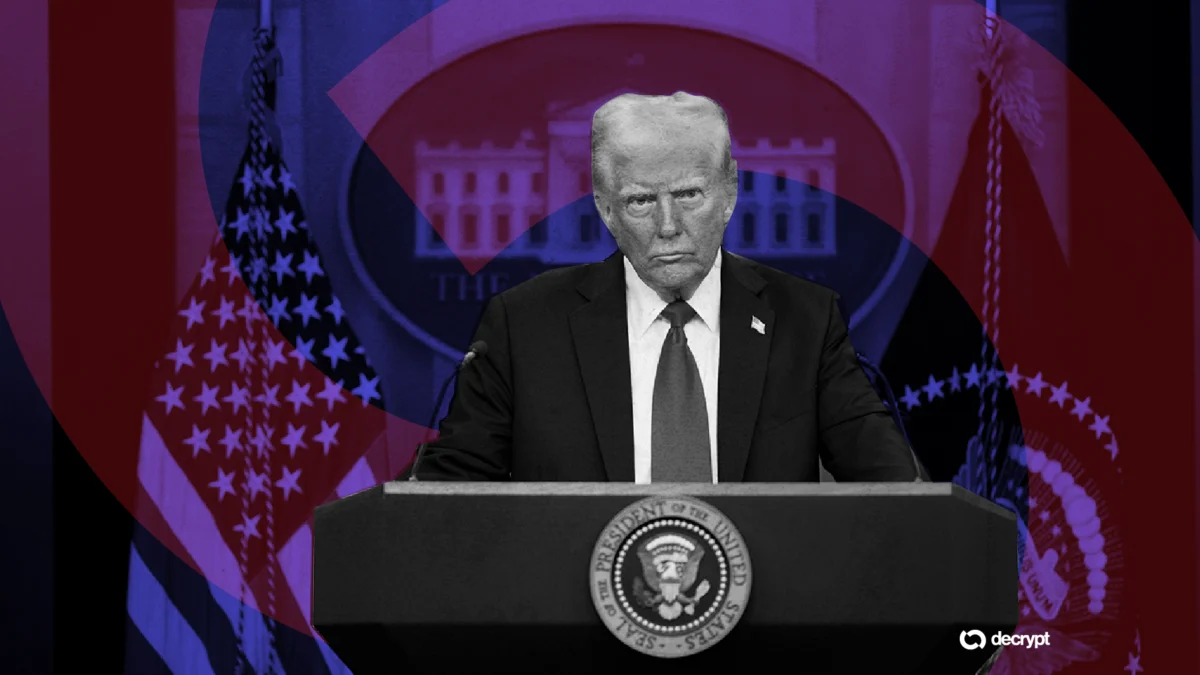

President Donald Trump has signed a significant executive order aimed at bolstering United States cybersecurity through the strategic integration of advanced artificial intelligence, while simultaneously fostering enhanced collaboration between federal agencies and leading private sector AI developers. The directive, officially titled "Promoting Advanced Artificial Intelligence Innovation and Security," mandates that federal agencies accelerate their adoption of AI-driven cybersecurity tools, establish a centralized AI cybersecurity clearinghouse, and implement a robust process for identifying and assessing cutting-edge AI models. This move underscores a growing recognition within the administration of the dual-edged nature of artificial intelligence – its potential to significantly strengthen national security while also introducing novel and complex threats.
The executive order explicitly states, “Advanced AI capabilities make our nation stronger, but also introduce new national security considerations that require coordinated action across executive departments and agencies (agencies), and components. As these capabilities evolve, my administration will continue to work closely with industry to ensure that the best and most secure technology is deployed rapidly to confront any and all threats to our country.” This statement highlights a strategic approach that seeks to leverage the innovation of the private sector while maintaining a vigilant oversight of potential risks.
A key component of the order involves the establishment of a classified review process, to be managed by the National Security Agency (NSA). This process will be instrumental in determining whether advanced AI systems qualify as "covered frontier models," a designation that signifies a heightened level of capability and potential impact on national security. Developers of such models will be afforded the opportunity to voluntarily submit their systems to the government for evaluation for a period of up to 30 days prior to their planned release to other trusted partners. This pre-release vetting aims to provide the government with critical insights into the capabilities and potential vulnerabilities of these powerful AI systems before they enter broader circulation.
This latest executive action follows a period of deliberation and adjustment within the administration regarding the optimal approach to AI regulation. In May, President Trump had previously delayed signing a similar executive order, expressing concerns that certain provisions could inadvertently impede U.S. AI development and potentially weaken America’s competitive edge against China. This earlier hesitation points to a delicate balancing act the administration is attempting to navigate: fostering innovation and maintaining technological leadership while simultaneously ensuring national security. The current order appears to reflect a revised strategy that emphasizes cooperation and a more measured approach to oversight.
However, the executive order has not been without its critics. Some cybersecurity experts and policy advocates argue that the framework relies too heavily on voluntary compliance from the very AI companies it is intended to oversee. J.B. Branch, AI governance and technology policy counsel at the consumer advocacy nonprofit Public Citizen, articulated this concern in a statement, asserting, "Models powerful enough to threaten cybersecurity and national security warrant real oversight. Congress and the administration should enact comprehensive federal AI legislation with enforceable safeguards, transparency requirements, independent testing, and meaningful protections for workers, consumers, children, and civil rights." This perspective underscores a call for more robust, legally binding regulations rather than a system predicated on voluntary disclosures.
The impetus for developing a comprehensive AI-focused executive order gained significant traction following revelations surrounding Anthropic’s Claude Mythos model. This advanced AI demonstrated a remarkable ability to identify software vulnerabilities, raising immediate concerns among government officials about the national security implications of increasingly sophisticated AI models. The implications of such capabilities were underscored in April, when U.S. Treasury Secretary Scott Bessent and then Federal Reserve Chair Jerome Powell reportedly convened a meeting with Wall Street bank CEOs. During this high-level discussion, they reportedly issued warnings about the potential cybersecurity risks associated with new artificial intelligence models like Mythos, highlighting the immediate impact these developments are having on critical financial infrastructure.
Despite these heightened concerns, Anthropic has continued to pursue a strategy of controlled access to its Claude Mythos model. The company announced on Tuesday that it is expanding access through Project Glasswing, an initiative designed to allow technology and security firms, as well as government entities, to discover and address potential exploits before the model’s broader public release. Anthropic has indicated that this public launch is anticipated "in the coming weeks," further emphasizing the urgency of the current regulatory and security discussions.
While the executive order is broad in its scope, it also aims to provide reassurance to AI developers. The administration has emphasized that the new framework is not intended to establish a formal pre-approval process for the release of new AI models. This reassurance comes at a critical juncture as President Trump seeks to establish a unified federal regulatory framework for AI, especially as a growing number of individual states begin to enact their own AI-specific legislation. The federal government’s aim is to create a cohesive national strategy that avoids a fragmented regulatory landscape.
Furthermore, the executive order explicitly calls for more stringent enforcement measures against the criminal exploitation of AI. This includes prosecuting individuals who use AI for activities such as breaching public or private information technology systems, or employing AI agents to unlawfully access data that is subsequently used for criminal or illicit purposes. This focus on criminal applications reflects a recognition that AI can be weaponized by malicious actors, necessitating a strong deterrent and enforcement posture.
This emphasis on enforcement is already being put into practice. Last month, federal prosecutors brought charges against two men for allegedly using AI to generate and distribute non-consensual sexually explicit images of women. This action represents one of the first significant enforcement cases under the recently enacted Take It Down Act, signaling a proactive approach by the Department of Justice to combat AI-enabled crimes.
The evolving landscape of artificial intelligence presents both unprecedented opportunities and significant challenges for national security and economic competitiveness. The United States, a global leader in AI research and development, is actively seeking to define its approach to governing this transformative technology. The executive order represents a significant step in this ongoing effort, aiming to balance the imperative of innovation with the necessity of robust security measures.
Background and Chronology of AI Governance Efforts
The push for enhanced federal oversight of artificial intelligence has been building for some time, spurred by rapid advancements in AI capabilities and growing public awareness of its potential societal impacts.
Early 2023: Concerns begin to mount within government circles regarding the accelerating pace of AI development and its potential national security implications. Discussions commence about the need for a more coordinated federal response.
April 2023: The reveal of Anthropic’s Claude Mythos model, capable of identifying software vulnerabilities, triggers immediate alarm bells among policymakers and national security officials. This event is widely seen as a catalyst for more concrete action.
Late April 2023: U.S. Treasury Secretary Scott Bessent and Federal Reserve Chair Jerome Powell reportedly meet with Wall Street bank CEOs to warn them about the emerging cybersecurity risks posed by advanced AI models like Mythos. This highlights the immediate concern for critical financial infrastructure.
May 2023: President Trump delays signing a comprehensive executive order on AI cybersecurity, citing concerns that certain provisions might hinder U.S. AI development and its competitive standing against China. This indicates a strategic reassessment of the proposed regulatory approach.
Early June 2023: A revised executive order, titled "Promoting Advanced Artificial Intelligence Innovation and Security," is signed by President Trump. This order focuses on accelerating AI adoption in cybersecurity, establishing a clearinghouse, and creating a process for identifying advanced AI models, while also emphasizing voluntary developer cooperation.
Mid-June 2023: Federal prosecutors bring charges against two individuals for using AI to generate and distribute non-consensual sexually explicit imagery, marking an early enforcement action under the Take It Down Act.
Ongoing: Discussions and debates continue among policymakers, industry leaders, and civil society organizations regarding the appropriate level and nature of AI regulation.
Supporting Data and Industry Landscape
The global artificial intelligence market is experiencing exponential growth. Projections from various market research firms indicate a compound annual growth rate (CAGR) exceeding 35% over the next five to seven years, with the market value expected to reach trillions of dollars by the end of the decade. This rapid expansion underscores the economic significance of AI and the competitive imperative for nations to lead in its development and deployment.
The United States has historically been at the forefront of AI innovation, with major technology companies investing billions of dollars annually in research and development. Companies like Google, Microsoft, Amazon, and Meta, along with specialized AI firms such as OpenAI and Anthropic, are developing increasingly sophisticated AI models. These models are being applied across a vast array of sectors, from healthcare and finance to transportation and defense.
The development of large language models (LLMs) and generative AI has been particularly impactful, demonstrating capabilities in natural language processing, content creation, and complex problem-solving. However, these powerful tools also raise significant ethical and security concerns. For instance, the ability of LLMs to generate highly convincing text, images, and even code can be exploited for disinformation campaigns, sophisticated phishing attacks, and the creation of malicious software.
The cybersecurity sector itself is increasingly integrating AI to enhance threat detection, response, and predictive analysis. AI-powered security tools can sift through vast amounts of data to identify anomalies, predict potential attacks, and automate defensive measures far more efficiently than traditional methods. This integration is crucial for staying ahead of evolving cyber threats, which are themselves becoming more sophisticated and often leverage AI.
Broader Implications and Analysis
President Trump’s executive order signifies a pragmatic, albeit debated, approach to AI governance. By emphasizing collaboration with industry and voluntary pre-release evaluations, the administration appears to be prioritizing the swift adoption of AI for national security benefits while seeking to mitigate immediate risks. The focus on "covered frontier models" suggests a tiered approach to regulation, concentrating oversight on the most powerful and potentially disruptive AI systems.
The success of this executive order will largely depend on the willingness of AI developers to engage genuinely with the government’s proposed framework. Critics’ concerns about the reliance on voluntary cooperation highlight a potential vulnerability in the strategy. If companies perceive the evaluation process as overly burdensome or lacking in clear benefit, they may opt out, diminishing the effectiveness of the government’s oversight capabilities.
The directive to accelerate the use of AI-powered cybersecurity tools is a timely and necessary measure. As cyber threats become more pervasive and sophisticated, leveraging AI is no longer optional but essential for maintaining a robust defense posture. The creation of an AI cybersecurity clearinghouse could foster greater information sharing and best practices among federal agencies, leading to a more unified and effective cybersecurity strategy.
The administration’s stated goal of promoting AI innovation while ensuring security reflects a broader global challenge. Nations worldwide are grappling with how to harness the immense potential of AI for economic growth and societal advancement without compromising safety, privacy, and democratic values. The U.S. approach, with its emphasis on public-private partnership, is one model among several being explored internationally.
The inclusion of provisions for tougher enforcement against criminal uses of AI is a critical component. The proliferation of AI-generated deepfakes, AI-powered scams, and malicious AI agents poses a direct threat to individuals and societal trust. Strong legal frameworks and decisive enforcement actions are vital to deterring such misuse and holding perpetrators accountable. The recent arrests under the Take It Down Act serve as an early indicator of the government’s commitment to this aspect of AI governance.
Ultimately, the executive order is a foundational step in a complex and evolving journey. It reflects an administration’s attempt to navigate the cutting edge of technological advancement, balancing national security imperatives with the dynamic nature of innovation. The long-term impact will be shaped by ongoing implementation, industry response, and the continuous evolution of AI technology itself, necessitating adaptive and forward-thinking governance strategies.
