
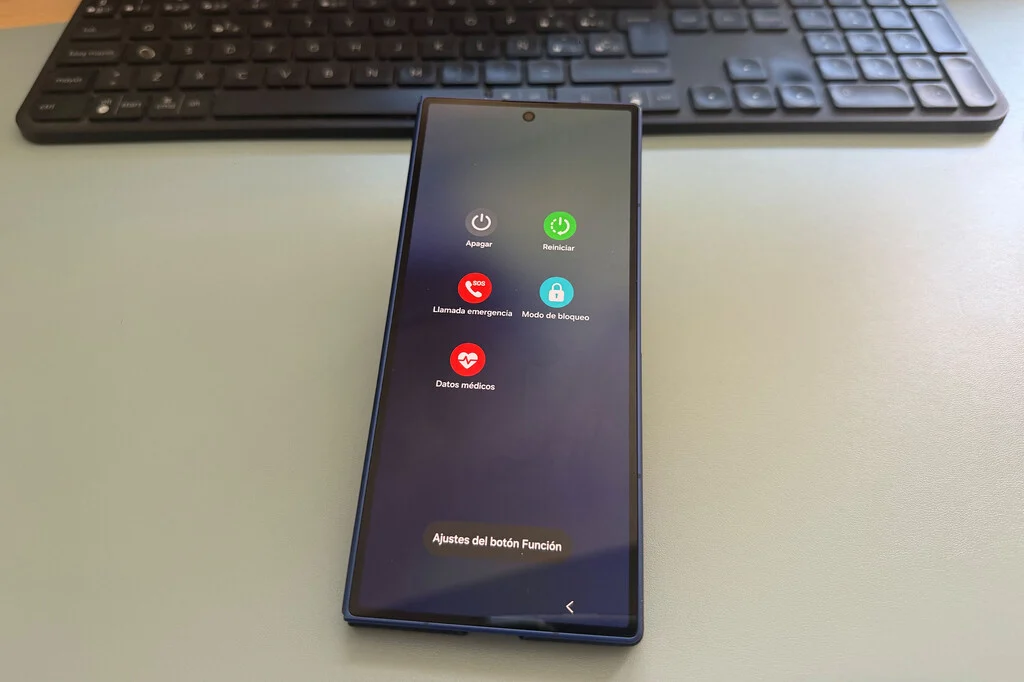

The long-standing demand from smartphone users across various operating systems, including Android and iOS, for a fundamental security enhancement—the mandatory entry of a device’s PIN, pattern, or password to power off or restart the device—is finally materializing. This critical feature, designed to significantly bolster anti-theft capabilities and improve device recovery rates, has been identified within the second beta release of Samsung’s One UI 9, which is built upon the forthcoming Android 17. While some users might initially perceive this as an added layer of inconvenience, the overwhelming consensus within the tech community and among consumer advocacy groups is that this functionality addresses a critical vulnerability that has persisted for years, often rendering sophisticated tracking and remote wipe features ineffective in the immediate aftermath of a theft.
The Persistent Demand for Enhanced Smartphone Security
For over a decade, as smartphones evolved from simple communication tools into indispensable personal assistants, digital wallets, and repositories of sensitive information, the need for robust security measures has grown exponentially. Despite advancements in biometric authentication (fingerprint scanners, facial recognition), device encryption, and sophisticated remote tracking services like Google’s Find My Device and Apple’s Find My network, a significant loophole has remained unaddressed: the ability for an unauthorized individual to simply power off a stolen device without authentication. This simple action immediately severs the device’s connection to cellular networks and Wi-Fi, rendering all location-based tracking, remote locking, and data wiping commands utterly useless.
Reports from organizations such as the Federal Bureau of Investigation (FBI) and various cybersecurity firms consistently highlight smartphone theft as a pervasive issue globally. For instance, in major metropolitan areas, smartphone theft often accounts for a substantial portion of all reported property crimes. A 2023 report from a leading cybersecurity firm indicated that over 10 million smartphones are reported stolen or lost annually worldwide, with a significant percentage never recovered. The financial implications extend beyond the cost of the device itself, encompassing potential identity theft, unauthorized access to financial applications, and the compromise of personal data, which can range from intimate photographs to sensitive work documents. The average cost of a stolen phone is merely the tip of the iceberg when considering the potential for data breach and subsequent fraud.
Users have repeatedly voiced their frustration over this vulnerability on public forums, social media, and direct feedback channels to device manufacturers. The logic is straightforward: if a thief cannot easily power down a device, it remains discoverable for a longer period, significantly increasing the chances of recovery. This critical window, typically lasting until the battery depletes, could be the difference between retrieving a device and losing it permanently. The demand for a PIN-protected power-off mechanism has been a recurring theme in user wish lists, reflecting a collective desire for a more secure and resilient mobile experience.
Addressing a Critical Vulnerability: How Powering Off Defeats Current Safeguards
Modern smartphones are equipped with an array of security features designed to protect user data and facilitate recovery in case of loss or theft. Full-disk encryption ensures that data stored on the device is unreadable without the correct decryption key, typically linked to the user’s PIN or password. Biometric authentication offers a quick and secure way to unlock the device for legitimate users, preventing casual snooping. Furthermore, cloud-based services enable users to remotely locate, lock, and erase their devices from a web browser or another trusted device, providing a crucial last line of defense against data compromise.
However, all these advanced security protocols hinge on one fundamental prerequisite: the device must be powered on and connected to a network. The moment a thief successfully powers off a device, its GPS capabilities are disabled, cellular connectivity is severed, and Wi-Fi radios go dormant. This effectively transforms a high-tech tracking beacon into an inert brick, making it virtually impossible for remote commands to reach it. The thief can then transport the device, disassemble it for parts, or attempt to bypass its software protections at their leisure, often in locations where tracing would be impossible even if the device were online. This simple act of powering down has, for years, been the Achilles’ heel of smartphone anti-theft systems, prompting a continuous call for manufacturers to implement a more robust defense mechanism. The current system inadvertently provides a critical escape route for criminals, undermining billions of dollars invested in cybersecurity infrastructure and remote management capabilities.
Samsung’s Strategic Move: One UI 9 and Android 17 Pioneer New Security Standards
The latest development emerging from the beta testing program for One UI 9, Samsung’s proprietary user interface overlaying Android 17, indicates a significant shift in this security paradigm. As reported by users actively participating in the beta, the new security protocol mandates authentication before a device can be powered off or restarted. This enhancement arrives as part of Samsung’s ongoing commitment to strengthening device security and user privacy, aligning with broader industry trends towards more resilient digital ecosystems. The timing of this feature’s appearance, specifically within the second beta of One UI 9, suggests that it has undergone initial testing and refinement, indicating a serious intent for its eventual stable release.
The integration of this feature into One UI 9, which is expected to debut on flagship Samsung Galaxy devices before rolling out to a wider range of compatible models, signifies a proactive step from one of the world’s largest smartphone manufacturers. Given Samsung’s substantial global market share in the Android ecosystem—consistently accounting for over 20% of global smartphone shipments—this move is poised to have a ripple effect, potentially influencing other Android OEMs and even prompting Apple to re-evaluate its own security implementations in future iOS versions. The underlying Android 17 platform, still in its developmental stages, provides a robust foundation for such deep-level system security enhancements, indicating a collaborative effort between Google and its hardware partners to address critical user concerns. This collaborative approach ensures that the feature is deeply embedded into the operating system, making it more resilient against potential exploits.
Mechanics of the New Security Protocol in One UI 9 Beta
Users testing the second beta version of One UI 9 have confirmed the implementation of this enhanced security measure. The traditional method of invoking the power menu—typically by pressing and holding the power button and a volume button simultaneously—still brings up the familiar options: "Power off," "Restart," "Emergency call," "Medical info," and "Lockdown mode." However, a crucial change occurs when a user attempts to select either "Power off" or "Restart."
Upon tapping these options, the system now prompts for the device’s authentication credentials. This can be the numerical PIN, the graphical pattern, or the alphanumeric password that the user has set for unlocking their device. Without the successful entry of these credentials, the power-off or restart command will not be executed. This effectively means that an unauthorized individual who gains physical possession of a locked device cannot simply shut it down to prevent tracking. In a typical theft scenario, the immediate instinct of a thief is to power off the device to prevent it from being traced. This new feature directly thwarts that primary tactic.
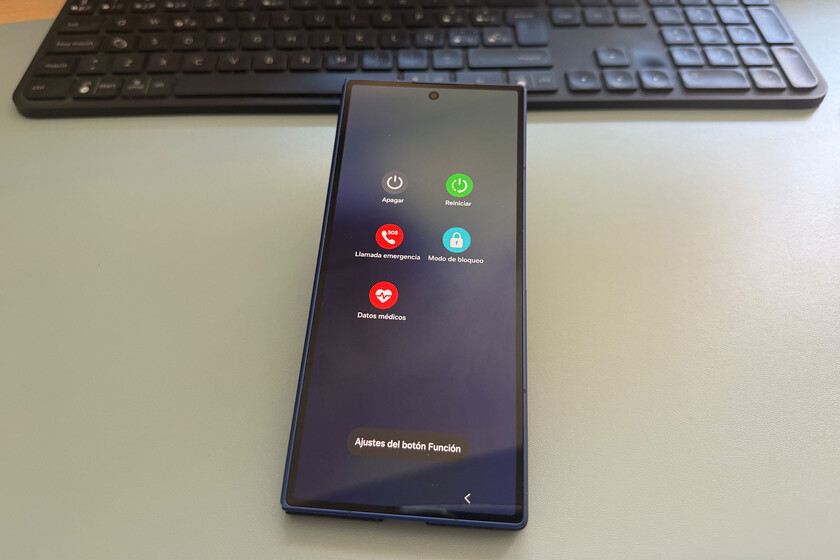
Furthermore, the implementation goes a step beyond merely authenticating power operations. Beta testers have also observed that attempting to dismiss or exit the power menu without performing any action also triggers a PIN/password request. This additional layer of security ensures that the device remains securely locked if a thief attempts to navigate away from the power menu without authentication. This comprehensive approach ensures that the device remains in a state where its security features are fully operational, preserving the ability to track it until its battery is completely drained, providing a vital window for potential recovery. This nuanced implementation demonstrates a thorough understanding of potential circumvention attempts and proactively blocks them, making the stolen device a much less attractive target.
Broader Implications for Smartphone Security and Anti-Theft Efforts
The introduction of a mandatory PIN/password for powering off a smartphone carries profound implications for device security and the ongoing battle against theft.
- Enhanced Device Recovery: The most immediate and significant benefit is the increased likelihood of recovering a stolen device. By preventing immediate shutdown, the phone remains online for a longer duration, allowing location services (GPS, Wi-Fi triangulation, cellular tower triangulation) to function. This provides valuable time for the owner to activate remote tracking, contact law enforcement, and potentially pinpoint the device’s location. Given that many phone thefts occur opportunistically and often involve immediate attempts to disable the device, this feature directly counters a primary tactic used by thieves, potentially extending the traceable period from minutes to hours.
- Deterrence to Theft: While no security measure is foolproof, making a device harder to disable and track acts as a significant deterrent. A phone that cannot be easily powered off or wiped immediately loses much of its "value" to a thief, especially those looking to quickly resell it or strip it for parts without the risk of being tracked. This could lead to a decrease in opportunistic phone thefts as criminals perceive them as higher risk and lower reward. The increased difficulty of quickly "cleaning" a stolen phone makes it less appealing for black market sales.
- Data Protection: Even if a device is ultimately unrecoverable, keeping it powered on and locked for longer enhances data protection. Remote wipe commands, which are critical for preventing identity theft and unauthorized access to personal information, have a greater chance of being received and executed before the device’s battery dies. This minimizes the window during which a thief might attempt to bypass security measures to access sensitive data, offering a crucial safeguard for privacy and financial security.
- Peace of Mind for Users: For millions of smartphone owners, the fear of losing their device to theft is not just about the monetary value, but the irreplaceable data and personal connections it holds. This new feature offers a tangible layer of reassurance, knowing that their device won’t simply vanish from the digital map the moment it leaves their possession, providing a sense of greater control and security in an increasingly connected world.
Industry Context and Potential Standards
Samsung’s implementation of this feature in One UI 9 places it at the forefront of smartphone security innovation within the mainstream Android market. While some custom ROMs or niche security solutions might have offered similar functionalities in the past, this marks a significant step for a major OEM integrating it directly into its core operating system. Historically, Android’s open-source nature has allowed for such experimental features, but their inclusion by a market leader like Samsung indicates a maturation and standardization.
This move could set a new industry benchmark, creating pressure on other manufacturers to adopt similar safeguards. Apple, for instance, has a reputation for stringent security, yet its iOS devices currently do not require authentication to power off, a point often raised by security researchers. If Samsung’s implementation proves effective and widely praised by users, it is highly probable that other Android OEMs (such as Google for its Pixel line, Xiaomi, OnePlus, etc.) will explore similar integrations in their future software updates, potentially even becoming a standard feature in subsequent Android versions. This competition in security features ultimately benefits the consumer by fostering a more secure mobile ecosystem. The debate around whether such a feature should be mandatory or configurable will also likely intensify, shaping future software development across the industry, driving a race to offer the most secure user experience.
User Experience and Configurability: Balancing Security with Convenience
While the security benefits of this feature are clear, its impact on user experience and the importance of configurability cannot be overlooked. For the vast majority of legitimate users, powering off a device is an infrequent action. The added step of entering a PIN for this action is a minor inconvenience compared to the peace of mind it offers in a theft scenario. Studies on user behavior suggest that minor authentication steps are generally accepted when the perceived security benefit is high.
However, considerations for emergency situations or specific user preferences are valid. The original article rightly suggests that the ideal implementation would involve making this function configurable, allowing users to enable or disable it according to their personal security needs and comfort levels. This approach balances robust security with user autonomy, providing the best of worlds. For example, some users might prefer the maximum security offered by the mandatory PIN, while others might prioritize quick access to power controls in rare, non-theft-related scenarios where immediate shutdown is desired without authentication. Samsung’s track record with One UI often includes extensive customization options, giving hope that such configurability will be part of the stable release. This flexibility would empower users to tailor their device’s security posture to their individual risk assessment and lifestyle.
Another aspect to consider is the "Lockdown mode" already present in Android. This mode, typically activated from the power menu, temporarily disables biometric unlocking, requiring only the PIN/password for access. While lockdown mode offers a different layer of security (preventing forced biometric unlocks, particularly useful in situations where a user might be compelled to unlock their phone), the new power-off authentication feature complements it by ensuring the device remains powered and trackable, even if a physical threat actor has obtained it. The synergy between these features creates a more comprehensive defense strategy against various types of threats.
The Road Ahead: From Beta to Stable Release
The discovery of this critical security feature within the second beta of One UI 9 is a promising development. Beta programs are, by their nature, testing grounds, and features introduced in beta versions do not always make it to the final stable release. However, given the long-standing user demand, the significant security advantages it offers, and Samsung’s focus on user protection, there is considerable optimism that this functionality will be a core component of the stable One UI 9 update.
The transition from beta to stable involves extensive testing, bug fixes, and performance optimizations. Samsung will be closely monitoring user feedback from the beta program regarding this feature, particularly concerning its usability, effectiveness, and any unforeseen issues. The community’s positive reception and clear articulation of its importance will undoubtedly play a role in its ultimate inclusion. The stable release of One UI 9, expected later this year or early next year following the official launch of Android 17, will be a keenly anticipated event for Samsung users globally, not least for the confirmation of this potentially transformative security upgrade. Should any unforeseen issues arise, the beta phase allows for their identification and resolution, ensuring a seamless experience upon general release.
Conclusion: A Landmark Step Towards Unwavering Smartphone Security
The implementation of a mandatory PIN/password for powering off a Samsung Galaxy device running One UI 9 marks a landmark moment in smartphone security. By addressing a fundamental vulnerability that has plagued mobile devices for years, Samsung is not only enhancing the safety of its users’ data and devices but also potentially setting a new industry standard. This feature transforms the landscape of anti-theft measures, shifting the advantage back towards the owner and away from the opportunistic thief. As the digital world becomes increasingly integrated with our personal lives, such robust, foundational security enhancements are not merely desirable but essential, providing a crucial layer of defense in an ever-evolving threat environment. The widespread adoption of this approach across the smartphone industry would represent a significant victory for consumer security and peace of mind, marking a pivotal moment in the ongoing evolution of mobile device protection.
