
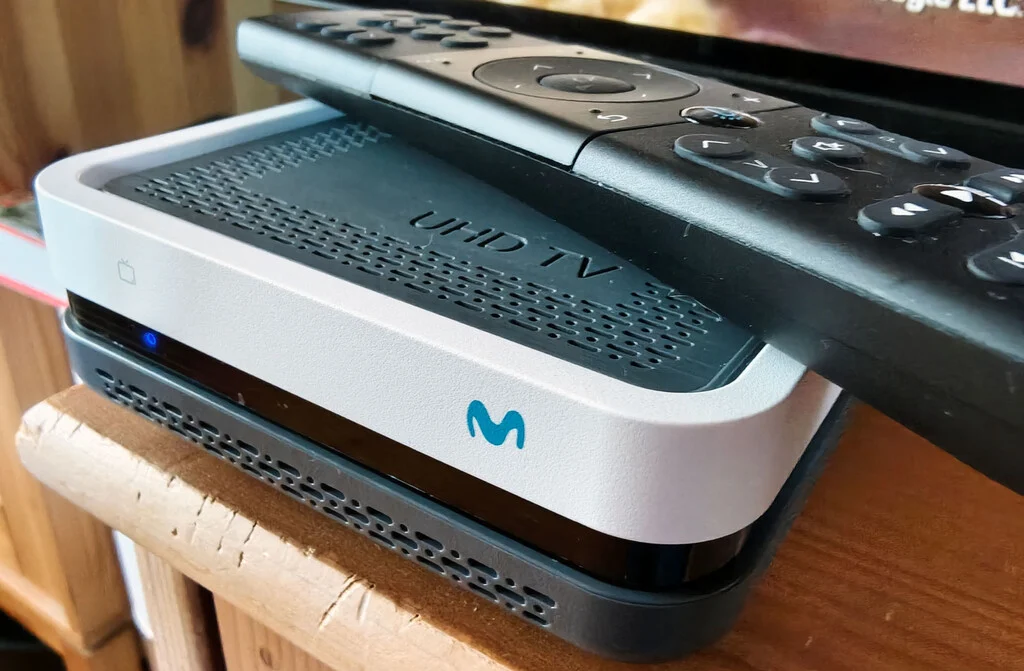

The escalating demands for high-speed internet and seamless connectivity have propelled many consumers to upgrade their home networking infrastructure, often leading to unforeseen technical complexities. A recent case study involving a Movistar subscriber in Spain, who transitioned to a 10 Gbps fiber connection, adopted the operator’s new WiFi 7 router, and subsequently integrated a third-party neutral router for extended coverage, illuminates a critical challenge: the unexpected disruption of Movistar Plus+ television services due to specific multicast protocol requirements. This scenario underscores the intricate interplay between cutting-edge hardware, established service delivery mechanisms, and the often-overlooked necessity for meticulous network configuration.
The Journey to Enhanced Connectivity: A Case Study in Modern Home Networking
In a bid to harness the full potential of advanced internet services, a Movistar customer embarked on a significant overhaul of their home network. The initial step involved upgrading to Movistar’s formidable 10 Gbps fiber optic service, a testament to Spain’s robust fiber infrastructure, which is among the most advanced globally. According to recent reports from the CNMC (Comisión Nacional de los Mercados y la Competencia), Spain boasts over 13 million fiber-to-the-home (FTTH) lines, signifying a pervasive shift towards ultra-broadband. This substantial bandwidth upgrade promised unparalleled speeds, opening doors for high-definition streaming, rapid downloads, and low-latency gaming across multiple devices.
Following the fiber upgrade, the subscriber incorporated Movistar’s latest WiFi 7 router. The introduction of WiFi 7 (802.11be), also known as Extremely High Throughput (EHT), marks a significant leap in wireless technology, offering theoretical speeds up to 46 Gbps, enhanced efficiency, and reduced latency compared to its predecessors, WiFi 6 and WiFi 6E. Operators like Movistar are increasingly deploying these advanced routers to meet the growing demand for high-performance wireless connectivity, particularly in homes saturated with smart devices, 4K/8K content streams, and real-time applications. The expectation was a robust and future-proof wireless network capable of distributing the immense 10 Gbps wired speeds effectively throughout the household.
Despite the cutting-edge equipment, the desire for ubiquitous, high-quality WiFi coverage led to the integration of a third-party neutral router. This practice is common among power users and those residing in larger homes where a single ISP-provided router may struggle to deliver consistent signal strength and speed across all areas. By configuring the Movistar WiFi 7 router in ‘bridge mode’ (also known as ‘monopuesto mode’), the subscriber effectively handed over routing responsibilities to the neutral router, aiming for optimized WiFi performance and greater control over network settings. The initial results were overwhelmingly positive, with significant improvements reported in general WiFi experience and coverage. However, this advanced configuration inadvertently created a blind spot that specifically affected Movistar Plus+, the operator’s proprietary television service.
Understanding Movistar Plus+ and the Multicast Protocol
The disruption to Movistar Plus+ highlights a fundamental difference in how various content services are delivered. Unlike over-the-top (OTT) streaming platforms such as Netflix or YouTube, which typically rely on unicast HTTP streaming (where each device requests and receives its own dedicated stream), Movistar Plus+ often leverages multicast technology for its live television channels.
Multicast is a highly efficient network communication method designed for one-to-many or many-to-many data distribution. In the context of IPTV (Internet Protocol Television), an operator like Movistar transmits each television channel’s stream only once onto the network. Devices within the home network that wish to view a particular channel "subscribe" to that specific multicast stream using a protocol called IGMP (Internet Group Management Protocol). This approach mirrors the efficiency of traditional terrestrial television (TDT), where a single broadcast signal is picked up by multiple antennas. For network operators, multicast significantly reduces bandwidth consumption, especially when many subscribers are watching the same live event or channel, as it avoids sending duplicate streams to individual users. This efficiency is particularly crucial for delivering high-quality, low-latency live television across extensive networks.
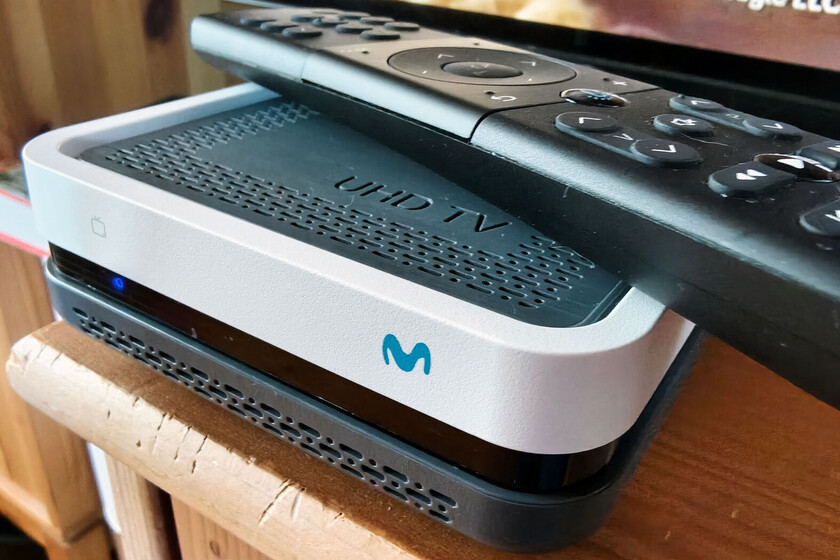
Movistar Plus+ can be accessed via two primary methods: through a dedicated set-top box (deca) or via the Movistar Plus+ application on various devices (smart TVs, smartphones, tablets, computers). Crucially, the application itself offers two modes of operation: user-authenticated access (which works regardless of the network) and direct access when opened within the operator’s configured domestic network. This "direct access" mode specifically relies on the network correctly handling multicast traffic originating from the Movistar router. When the home network’s primary routing function was shifted to the neutral router, this direct access mechanism, along with the set-top box’s functionality, ceased to operate as expected.
The Unforeseen Obstacle: When Advanced Hardware Meets Legacy Protocols
The issue manifested clearly: despite the descodificador being connected to the new neutral router via Ethernet, and the Movistar Plus+ app attempting to load content, neither could display live programming. The channel guide would appear, but the actual video and audio streams failed to load. This indicated a fundamental communication breakdown at the network level, specifically concerning how the television service’s data streams were being handled.
The core of the problem lay in the default configuration of most third-party neutral routers. While designed for high performance and advanced features, many are not pre-configured to actively manage or forward IGMP multicast traffic by default. This is because, in standard internet usage (web browsing, email, typical streaming), multicast is not a primary requirement. Without IGMP enabled, the neutral router, acting as the primary network controller, effectively blocked or ignored the multicast streams originating from the Movistar router (now in bridge mode) that were essential for Movistar Plus+ functionality. Devices connected to the neutral router’s network were unable to "subscribe" to the necessary TV channels, leading to the observed service interruption.
This situation highlights a common friction point in the evolving landscape of home networking. Consumers, driven by the desire for superior performance and control, often introduce equipment that, while technologically advanced, may not seamlessly integrate with all aspects of an ISP’s specialized services without specific configuration adjustments. The expectation of plug-and-play functionality, prevalent in consumer electronics, often clashes with the nuanced requirements of bespoke IPTV delivery systems.
Technical Deep Dive: IGMP Multicast and its Role
To fully appreciate the solution, a deeper understanding of IGMP (Internet Group Management Protocol) is necessary. IGMP is a communication protocol used by hosts and routers on IP networks to establish multicast group memberships. It’s the mechanism through which a device (like a Movistar Plus+ set-top box or the app) signals to its local router that it wants to receive traffic for a specific multicast group (i.e., a particular TV channel).
Routers, in turn, use IGMP snooping and IGMP proxy functionalities to efficiently manage multicast traffic.
- IGMP Snooping: This feature allows a network switch or router to "snoop" on IGMP messages exchanged between hosts and routers. By doing so, the switch can intelligently forward multicast traffic only to the ports where devices have expressed interest, rather than flooding it to all ports. This prevents unnecessary traffic on the network, improving efficiency.
- IGMP Proxy: In more complex setups, especially when a neutral router is used, the IGMP proxy function allows the router to act as an IGMP client on one interface (facing the Movistar router) and an IGMP querier on another (facing the internal home network). This enables the neutral router to effectively translate and forward multicast requests and streams across different network segments, ensuring that devices on the internal network can receive Movistar Plus+ content.
When the Movistar router was placed in bridge mode, it essentially passed the raw internet and IPTV traffic directly to the neutral router. If the neutral router did not have IGMP snooping or proxy enabled, it would not understand the multicast requests from the devices and would not correctly forward the multicast streams. This is precisely what led to the service failure.
Another related technical consideration can be VLAN (Virtual Local Area Network) tagging for IPTV services. Some ISPs, including Movistar in certain configurations, might deliver IPTV traffic on a specific VLAN separate from general internet traffic. While the primary issue in this case revolved around IGMP, it’s worth noting that if the neutral router isn’t configured to correctly handle or pass through these specific VLANs, that could also contribute to IPTV service disruptions. However, the most common culprit in such scenarios is the absence of proper IGMP management.
The Solution: Activating IGMP and Bridging the Gap
The resolution to the Movistar Plus+ outage was remarkably straightforward for those with the correct technical knowledge: activating the IGMP multicast function within the neutral router’s configuration. Accessing the router’s administrative interface, typically via a web browser, and navigating to the network or advanced settings usually reveals an option related to "IGMP," "Multicast," or "IPTV." Enabling this feature, often labeled as "IGMP Snooping" or "IGMP Proxy," immediately resolved the issue.
For the user in question, this involved a brief configuration change in their TP-Link router after realizing the root cause. Once IGMP was enabled, the descodificador instantly began loading programs, and the Movistar Plus+ app regained its direct access functionality within the home network. The stark contrast between the frustrating inability to access content and the swift resolution highlights the critical nature of this specific network protocol for IPTV services.
This experience serves as a crucial reminder for anyone planning a similar home network upgrade, particularly those who rely on ISP-specific IPTV services. Before making significant changes, it is imperative to investigate the specific technical requirements of all services, especially those that deviate from standard HTTP streaming.
Broader Implications for Consumers and ISPs
This incident carries broader implications for both consumers and internet service providers. For consumers, the increasing sophistication of home networking equipment offers unprecedented control and performance but also introduces a higher level of technical complexity. The expectation of ‘it just works’ can be misleading when integrating diverse hardware components, each with its own default settings and protocol handling. Users venturing into advanced configurations, such as placing an ISP router in bridge mode, must be prepared to delve into the intricacies of network protocols like IGMP.
For ISPs like Movistar, this scenario underscores the challenge of supporting a rapidly diversifying customer base with varying levels of technical expertise and hardware choices. While Movistar provides its own equipment designed for seamless integration with its services, it cannot dictate customer hardware choices for extended networks. This creates a support dilemma:
- Documentation Gap: The official documentation provided by ISPs for their advanced services often assumes the use of their proprietary equipment or fails to explicitly detail the requirements for third-party routers. The original article notes that Movistar’s documentation did not mention the IGMP requirement for neutral router setups.
- Support Burden: When issues arise, customers often contact ISP technical support, leading to potentially lengthy troubleshooting processes that may not immediately identify third-party router configurations as the root cause. This increases operational costs and customer frustration.
- User Experience: A lack of clear guidance can lead to a degraded user experience, even for technically adept individuals, potentially eroding trust in the service or the equipment.
According to a study by Statista, customer satisfaction with internet services is often linked not just to speed but also to the reliability and ease of use of associated services, including TV. Incidents like this, while solvable, can detract from the overall perception of service quality.
The Evolving Landscape of Home Entertainment and Connectivity
The transition to 10 Gbps fiber and WiFi 7 routers represents a paradigm shift in home connectivity, driven by the proliferation of bandwidth-intensive applications and smart home ecosystems. As consumers demand more from their networks, the distinction between standard internet usage and specialized services like IPTV becomes more pronounced. This case illustrates that while the physical infrastructure (fiber) and wireless technology (WiFi 7) are advancing rapidly, the underlying protocols for certain services, like multicast for live TV, remain crucial and require specific attention.
The industry is moving towards greater standardization and interoperability, but proprietary service delivery mechanisms still exist. The Movistar Plus+ scenario is a classic example of where a "hidden" requirement (IGMP activation) can become a major hurdle. This isn’t unique to Movistar; other ISPs globally that utilize IPTV often face similar challenges when customers integrate non-standard equipment.
Expert Commentary and Industry Perspective
From an industry perspective, this incident highlights the ongoing tension between offering robust, operator-controlled services and empowering users with flexible, customizable home networks. Network architects often weigh the benefits of multicast (efficiency, quality of service for live content) against the potential for configuration complexities with third-party hardware. Some might argue that ISPs should provide more advanced options or clearer warnings when users opt for bridge mode, perhaps even integrating diagnostic tools that can identify common issues like disabled IGMP.
Conversely, manufacturers of neutral routers could consider enabling IGMP snooping by default or making it more prominent in initial setup wizards, recognizing the widespread use of IPTV services globally. However, a blanket default might also introduce unnecessary overhead for users who don’t require it. The balance lies in intuitive design and comprehensive, accessible information.
Future Outlook: Towards Seamless Integration and User Empowerment
Looking ahead, the goal should be to bridge the knowledge gap and simplify the integration of advanced home networking with specialized ISP services. This could involve:
- Enhanced Documentation: ISPs could provide dedicated guides for common third-party router configurations, specifically addressing IPTV and other protocol-dependent services.
- Smart Diagnostics: Developing tools within the Movistar Plus+ app or through online portals that can detect common network misconfigurations (like disabled IGMP) and offer guided solutions.
- Standardization Efforts: Continued efforts in the industry to standardize how IPTV and similar services are delivered, potentially reducing the reliance on highly specific, non-default router settings.
- Educating Consumers: Initiatives to educate consumers about the basics of their home network, including concepts like multicast, IGMP, and VLANs, for those who choose to customize their setups.
The experience of this Movistar subscriber serves as a valuable lesson in the complexities of modern digital living. While the allure of Ferrari-like internet speeds and state-of-the-art WiFi is strong, ensuring all services operate harmoniously requires an understanding of the intricate gears turning beneath the surface. For those contemplating similar upgrades, a thorough review of service requirements and router configurations, particularly concerning IGMP multicast, is paramount to prevent unexpected disruptions and ensure a truly seamless digital experience. The time saved by proactively configuring these settings far outweighs the frustration of troubleshooting a seemingly inexplicable service outage.
