
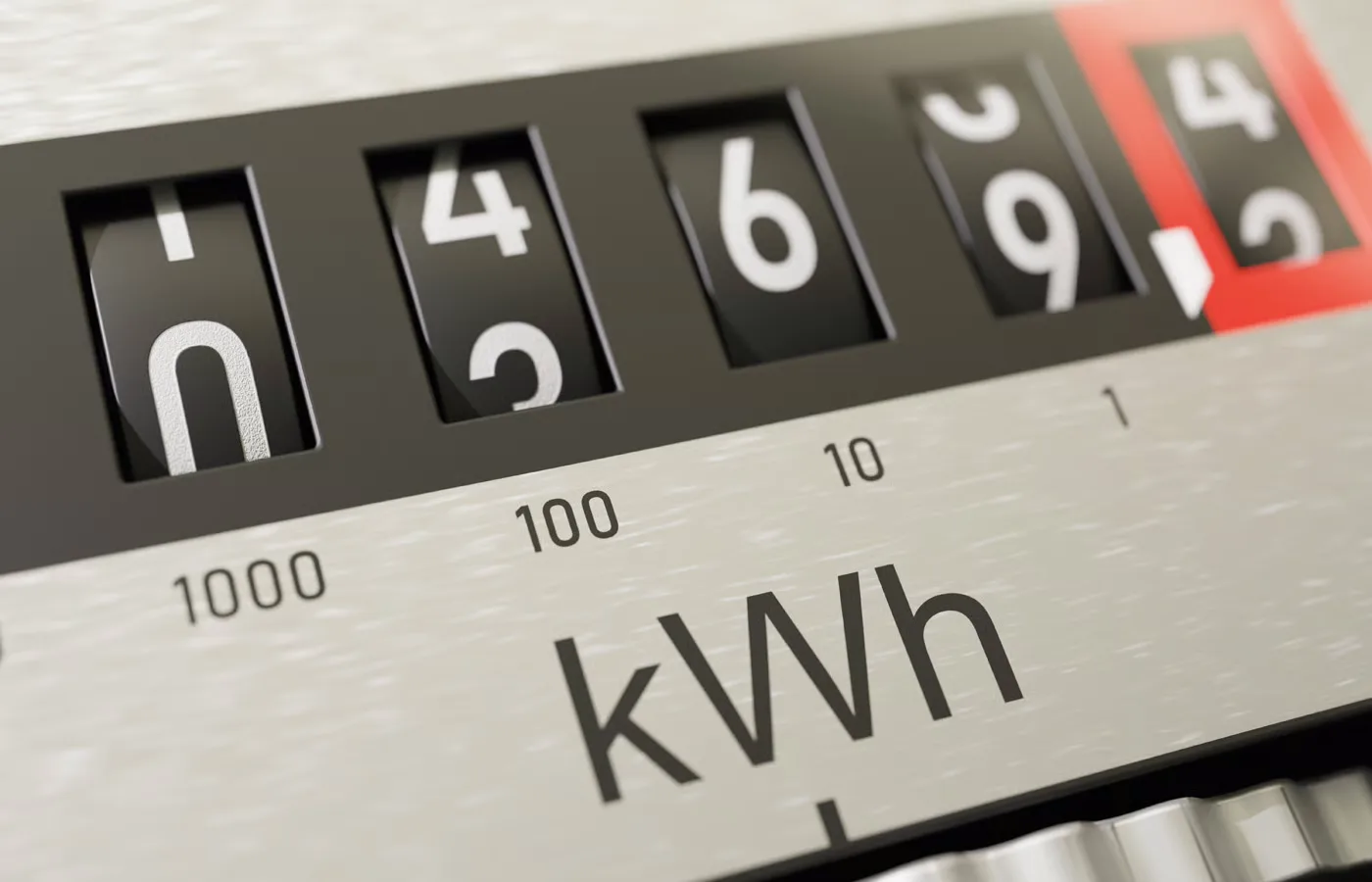

Energy consumption represents one of the largest operational expenses for data centers, a critical yet often overlooked aspect of the digital economy. The cost of powering the vast arrays of servers and the sophisticated cooling systems required to dissipate the immense heat they generate can be substantial, directly impacting the bottom line of businesses and the broader economic landscape. As data centers continue to grow in scale and process an ever-increasing volume of data, their energy demands, and consequently their operating costs, are projected to climb. This escalating consumption not only poses a financial challenge but also raises significant environmental concerns. To address these pressing issues, a comprehensive understanding of how data center power consumption functions, its primary drivers, and effective optimization strategies is paramount.
The Intricate Web of Data Center Power Consumption
The operation of a modern data center is a testament to complex engineering, where numerous components and systems work in concert to meet the insatiable demand for data processing, storage, and transmission. Understanding the intricate mechanisms behind their energy usage requires a deep dive into the core operational elements.
The Bedrock: Power Infrastructure
At the foundation of any data center’s power consumption is its robust power infrastructure. This critical system comprises external power sources, typically drawn from the national grid, which then feed into a network of backup generators and uninterruptible power supplies (UPS). These backup systems are designed to ensure uninterrupted operation during grid outages, a non-negotiable requirement for the continuous availability of digital services. Power distribution units (PDUs) then meticulously channel this electricity to the various computing and support systems within the facility. The reliability and efficiency of this initial power delivery network are crucial, as any inefficiency here can be amplified across the entire operation.
The Engine Room: Servers and Computing Equipment
The servers and associated computing equipment form the heart of the data center and are, by far, the most significant consumers of electrical power. These machines are responsible for the core functions of data processing, storage, and networking. The power draw of individual servers can vary dramatically, dictated by their processing load. High-demand tasks, such as complex analytics, AI model training, or large-scale simulations, necessitate the full utilization of server resources, leading to a commensurate increase in energy consumption. Beyond servers, storage systems, which house vast quantities of data, and network devices, which facilitate data flow, also contribute substantially to the total power footprint. Industry reports consistently highlight that IT equipment itself can account for 50-60% of a data center’s total energy usage.
The Essential Counterpart: Cooling and Climate Control
To maintain the optimal operating environment for sensitive electronic components, data centers necessitate sophisticated and energy-intensive cooling and climate control systems. These systems, which include Computer Room Air Conditioner (CRAC) units, chillers, and cooling towers, are tasked with the monumental job of dissipating the considerable heat generated by the servers and other hardware. The energy expended on cooling can represent a substantial portion of a data center’s overall power consumption, often reaching proportions that nearly equal the power used by the computing equipment itself. In some instances, cooling can account for up to 40% of a data center’s total energy bill.
Measuring Efficiency: Power Usage Effectiveness (PUE)
To quantify how efficiently a data center utilizes its power, the industry standard metric is Power Usage Effectiveness (PUE). PUE is calculated as the ratio of the total amount of power entering a data center to the power consumed by the IT equipment. An ideal PUE of 1.0 would signify that all power is dedicated to computing functions, a theoretical benchmark rarely achieved in practice. Most data centers operate with PUE values higher than 1.0, reflecting the energy expended on cooling, lighting, and other auxiliary systems. The U.S. Department of Energy has set ambitious goals for data center energy efficiency, aiming for an average PUE of 1.2 or lower by 2030, underscoring the industry’s focus on reducing energy waste.
Ancillary Systems: Lighting and Auxiliary Services
While less impactful than servers and cooling, lighting and other auxiliary systems, such as security surveillance, monitoring equipment, and building management systems, also contribute to the overall energy consumption. The implementation of energy-efficient LED lighting and the automation of these auxiliary systems can yield incremental but valuable reductions in this segment of power usage.
Dynamic Demands: Power Fluctuations and Demand Scaling
Data center power consumption is not static; it fluctuates dynamically in response to real-time demand. During peak operational periods, when more users are accessing services or more data is being processed, additional servers are brought online, leading to heightened energy consumption. Conversely, during off-peak hours, power usage typically decreases. Modern data centers are increasingly employing sophisticated demand scaling and virtualization techniques to dynamically adjust power consumption in alignment with the prevailing workload, optimizing energy use on a granular level.
Key Factors Influencing Data Center Power Consumption
The power consumption of data centers is influenced by a complex interplay of technological, infrastructural, environmental, and operational factors. A thorough understanding of these elements is critical for developing targeted strategies to enhance efficiency and curtail energy expenditure.
Technological Advancements and Hardware Efficiency
The type and age of the hardware deployed within a data center are primary determinants of its energy footprint. Newer, more energy-efficient servers, processors, and storage solutions consume less power per unit of performance compared to older generations. The adoption of Solid State Drives (SSDs) over traditional Hard Disk Drives (HDDs), for example, offers significant power savings due to their lower energy requirements and faster access times.
Data Center Design and Layout
The physical design and internal layout of a data center play a crucial role in cooling efficiency. Strategic placement of equipment, optimized airflow management through hot/cold aisle containment, and efficient rack density can significantly reduce the burden on cooling systems. Poorly designed layouts can lead to hot spots and inefficient air circulation, forcing cooling systems to work harder and consume more energy.
Environmental Conditions and Ambient Temperature
External environmental conditions, such as ambient temperature and humidity, can directly impact the energy required for cooling. Data centers located in cooler climates may have greater opportunities to leverage free cooling techniques, using outside air to cool the facility, thereby reducing reliance on energy-intensive mechanical cooling.
Workload Characteristics and Utilization Rates
The nature and intensity of the workloads processed by a data center have a direct correlation with power consumption. High-performance computing tasks, real-time data analytics, and intensive AI training require substantial processing power, leading to higher energy demands. Furthermore, the utilization rate of the installed hardware is a key factor. Underutilized servers still consume a significant amount of power, even when idle, highlighting the importance of efficient resource allocation.
Cooling System Design and Maintenance
The efficiency of the cooling system itself is a paramount factor. The type of cooling technology employed (e.g., direct expansion, chilled water, liquid cooling), its age, and its maintenance status all influence energy consumption. Inefficient or poorly maintained cooling systems can waste a significant amount of energy.
Power Distribution and Conversion Losses
Energy is lost during the process of power distribution and conversion within the data center. Losses occur in transformers, UPS systems, and PDUs as electricity is stepped down and routed to various components. Minimizing these conversion losses through efficient power supply units (PSUs) and optimized power distribution pathways can contribute to overall efficiency gains.
Operational Practices and Management Strategies
The operational practices and management strategies employed by data center personnel have a profound impact. Effective power management policies, regular monitoring of energy consumption, and the implementation of best practices in IT equipment management can lead to substantial energy savings. This includes practices like server power capping and dynamic workload balancing.
Five Proven Strategies for Optimizing Data Center Power Consumption
Achieving optimal power consumption in data centers is not merely an environmental imperative; it is a strategic business objective that enhances operational efficiency, reduces costs, and bolsters corporate sustainability initiatives. Here are five effective strategies that organizations can implement to significantly improve their power consumption profiles:
1. Embracing Energy-Efficient Hardware
A fundamental step towards reducing a data center’s power footprint involves the strategic upgrade to energy-efficient hardware. Modern servers are engineered with advanced power management features and more efficient processors that deliver higher performance with lower energy consumption. Investing in servers with superior power efficiency ratings, often indicated by ENERGY STAR certifications, can lead to substantial reductions in overall energy use. Furthermore, transitioning from traditional Hard Disk Drives (HDDs) to Solid State Drives (SSDs) can yield significant energy savings. SSDs typically consume less power, generate less heat, and offer faster read/write speeds, contributing to both energy efficiency and improved performance. Diligent selection of equipment that adheres to stringent energy efficiency standards is a cornerstone of sustainable data center operations.
2. Enhancing Cooling System Efficiency
Cooling systems, while indispensable for maintaining optimal operating temperatures, are often the largest non-IT energy consumers within a data center. Implementing advanced cooling techniques can dramatically improve efficiency. Liquid cooling, which offers superior heat dissipation capabilities compared to air cooling, is gaining traction, particularly for high-density computing environments. Evaporative cooling systems, which utilize the principle of water evaporation to cool the air, can also provide significant energy savings, especially in arid climates. The strategic use of economizers, which leverage cool ambient air to supplement or replace mechanical cooling, is another highly effective strategy. Optimizing airflow management through meticulous data center layout, such as the widely adopted hot/cold aisle containment strategy, ensures that cool air is delivered precisely where it’s needed, preventing re-circulation of hot air and reducing the workload on cooling units.
3. Leveraging Virtualization and Server Consolidation
Virtualization has emerged as a transformative technology for optimizing energy use in data centers. By enabling multiple virtual machines (VMs) to operate on a single physical server, virtualization drastically reduces the number of physical servers required to meet computing demands. This consolidation not only conserves valuable rack space but also leads to substantial power savings by reducing the overall energy consumption of the IT infrastructure. Sophisticated virtualization software allows for efficient workload distribution and dynamic resource allocation, maximizing the utilization of physical servers and minimizing idle power draw. For workloads that do not require on-premises infrastructure, migrating to cloud computing platforms can further offload the energy burden from the data center, contributing to overall energy efficiency goals. Industry analysts estimate that server virtualization can reduce energy consumption by 50-75% for consolidated workloads.
4. Implementing Intelligent Power Management Software Solutions
The advent of Data Center Infrastructure Management (DCIM) tools has revolutionized the way data centers monitor, manage, and optimize their energy consumption. These comprehensive software solutions provide real-time visibility into power usage across all critical systems, enabling operators to identify inefficiencies and make informed adjustments. Advanced DCIM platforms integrate with IT and facility infrastructure, offering detailed analytics on power distribution, environmental conditions, and equipment performance. The integration of Artificial Intelligence (AI) and Machine Learning (ML) technologies into these solutions takes power management to the next level. AI algorithms can analyze historical data and real-time metrics to predict future power demands, identify anomalous consumption patterns, and proactively optimize power allocation, leading to more intelligent and efficient operations.
5. Integrating Renewable Energy Sources
The transition to renewable energy sources is a critical component of sustainable data center operations. By incorporating renewable energy, such as solar, wind, or hydroelectric power, data centers can significantly reduce their reliance on fossil fuels and minimize their carbon footprint. This can be achieved through direct investment in on-site renewable energy generation, such as rooftop solar panels or small-scale wind turbines, or by purchasing Renewable Energy Credits (RECs). RECs represent the environmental attributes of renewable energy generation and can be purchased by organizations to offset their electricity consumption from non-renewable sources, thereby supporting the growth of the renewable energy sector. Many large technology companies have made public commitments to power their data centers entirely with renewable energy, setting a precedent for the industry.
The Multifaceted Benefits of Data Center Energy Efficiency
The pursuit of energy efficiency in data centers yields a broad spectrum of advantages that extend beyond mere cost savings, encompassing economic, environmental, and operational domains. These benefits collectively contribute to the long-term sustainability, performance, and reliability of these vital digital infrastructures.
Economic Advantages
The most immediate and tangible benefit of optimizing data center power consumption is the reduction in operational costs. Lower energy bills directly translate to improved profitability and a stronger financial position for organizations. Efficient power management can also defer or eliminate the need for costly infrastructure upgrades, such as expanding grid capacity or investing in additional cooling equipment, freeing up capital for other strategic initiatives. Furthermore, a reputation for environmental responsibility can enhance brand image and attract environmentally conscious customers and investors.
Environmental Stewardship
Data centers are significant energy consumers, and their reliance on electricity often contributes to greenhouse gas emissions. By reducing energy consumption and transitioning to renewable energy sources, data centers can dramatically lower their carbon footprint, mitigating their impact on climate change. This commitment to environmental stewardship aligns with global sustainability goals and demonstrates corporate responsibility, which is increasingly valued by consumers and regulators alike.
Enhanced Operational Performance and Reliability
Contrary to some initial concerns, energy efficiency initiatives often lead to improved operational performance and reliability. Modern, energy-efficient hardware typically offers better performance metrics. Furthermore, optimized cooling systems prevent equipment overheating, reducing the risk of hardware failures and extending the lifespan of critical components. This, in turn, leads to greater uptime and a more stable and reliable service delivery for end-users.
Regulatory Compliance and Future-Proofing
As environmental regulations become more stringent worldwide, data centers that proactively adopt energy-efficient practices are better positioned to comply with current and future mandates. Demonstrating a commitment to sustainability can also provide a competitive advantage, particularly in markets where environmental concerns are paramount. By investing in energy efficiency, organizations are future-proofing their operations against rising energy costs and evolving environmental standards.
Navigating the Challenges of Data Center Power Consumption
While the imperative for energy efficiency in data centers is clear, achieving it is not without its hurdles. These obstacles span technical, financial, regulatory, and operational dimensions, requiring strategic planning and sustained effort to overcome.
The Performance-Efficiency Tightrope
A persistent challenge lies in balancing the escalating demand for high-performance computing with the imperative for energy efficiency. As workloads become more complex and data volumes surge, the need for powerful processing capabilities intensifies. This often creates a tension between maximizing computational output and minimizing energy expenditure. Current technological limitations can sometimes mean that the most powerful solutions are also the most energy-hungry, necessitating careful trade-offs and ongoing research into more efficient architectures.
The Capital Investment Barrier: Technological and Infrastructure Upgrades
Implementing energy-efficient hardware and advanced cooling systems often requires substantial upfront capital investment. For many data centers, particularly those operating with legacy infrastructure, the cost of replacing older, less efficient equipment can be a significant financial barrier. Migrating from older technologies, such as traditional server racks or less efficient cooling methods, to modern, energy-saving solutions can be a complex and expensive undertaking, demanding careful financial planning and a clear return on investment analysis.
The Cooling Conundrum: Efficiency in High-Density Environments
Cooling systems, essential for maintaining optimal equipment temperatures, present a unique set of challenges. Efficiently managing the immense heat generated by modern, high-density computing racks is a complex engineering feat. While innovative cooling solutions exist, their implementation can be intricate, and they may not be universally applicable or cost-effective for all data center configurations. The ongoing challenge is to find scalable and efficient cooling solutions that can keep pace with the increasing power density of IT equipment.
Data Growth and Emerging Technologies
The relentless growth of data, fueled by the proliferation of IoT devices, big data analytics, and artificial intelligence, places continuous pressure on data center capacity and, consequently, energy consumption. The emergence of new, power-intensive technologies, such as advanced AI accelerators and quantum computing, while promising significant breakthroughs, also introduces new challenges in managing their energy demands.
The Bottom Line: The Critical Role of Efficient Power Management in Data Centers
The efficient management of power within data centers transcends mere operational concerns; it has emerged as a pivotal factor influencing both the economic viability and the environmental footprint of these essential digital hubs. As the digital world continues its rapid expansion, the responsibility for managing power consumption effectively becomes increasingly paramount.
Efficient power management is not solely about reducing operational costs; it is a fundamental aspect of environmental stewardship and a key determinant of an organization’s reputation. By meticulously minimizing energy consumption and strategically integrating renewable resources, data centers can significantly curtail their carbon emissions. This proactive approach not only contributes to the global effort toward environmental sustainability but also positions these organizations as responsible corporate citizens.
In an era where data is the new currency, the energy required to process, store, and transmit it represents a substantial and growing cost. Proactive and strategic power management is no longer an option but a necessity for the long-term health and sustainability of the data center industry and the digital economy it underpins.
For those seeking to delve deeper into the principles, benefits, and challenges of sustainable IT practices, a comprehensive guide to Green IT offers invaluable insights. Furthermore, for organizations ready to embrace the transformative potential of virtualization, exploring the leading virtualization companies can provide the necessary expertise and solutions to optimize infrastructure and enhance energy efficiency.
