

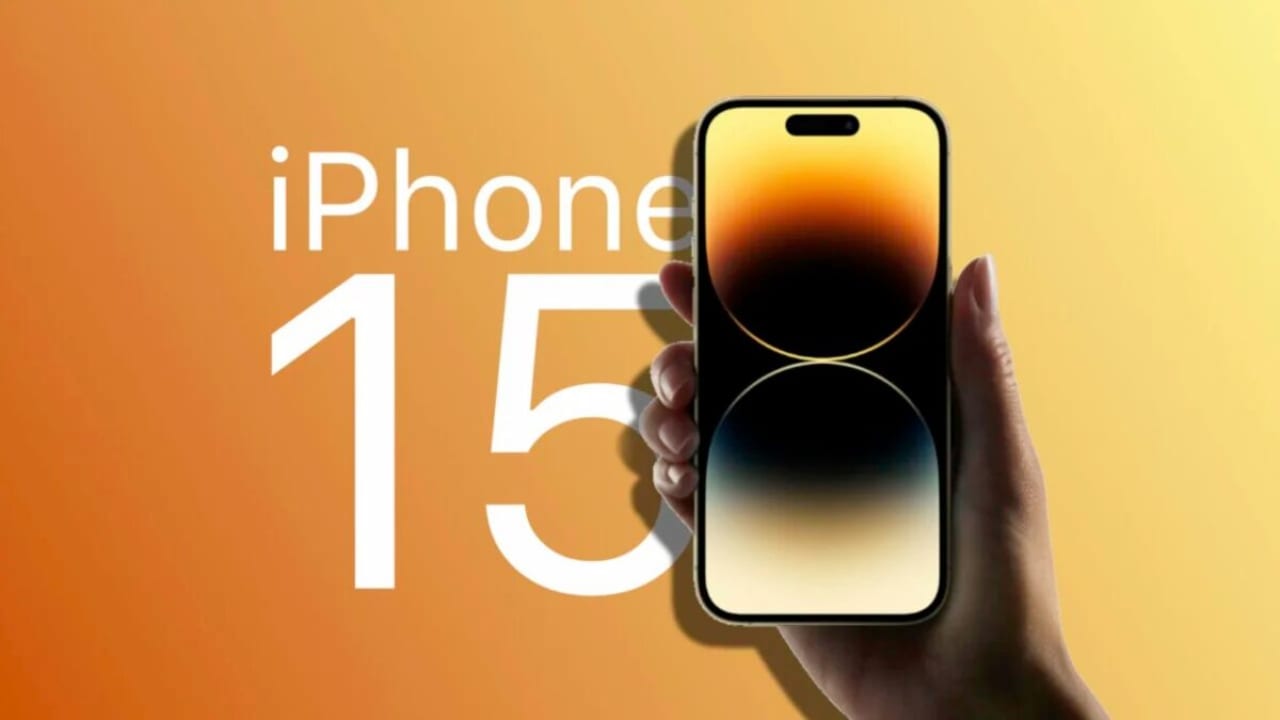
The global smartphone industry stands on the precipice of a significant architectural shift as Apple reportedly prepares to expand its eSIM-only strategy to the upcoming iPhone 15 lineup. Following the precedent set by the United States-exclusive eSIM-only iPhone 14, industry analysts and supply chain reports suggest that the Cupertino-based tech giant is ready to phase out the physical SIM card slot in additional markets, starting with the premium iPhone 15 Pro and iPhone 15 Pro Max. This transition represents one of the most substantial changes to mobile hardware since the introduction of the nano-SIM in 2012, signaling a future where physical plastic cards are replaced by programmable chips soldered directly onto the device’s motherboard.
Understanding the Technical Architecture of eSIM
An embedded SIM, or eSIM, is a global specification developed by the GSMA (Global System for Mobile Communications Association) that enables the remote SIM provisioning of any mobile device. Unlike the traditional SIM card, which is a removable plastic substrate containing a microchip, the eSIM is a small, non-removable integrated circuit (MFF2) built into the device during the manufacturing process.
The technology functions through a Secure Element (SE) chip that stores the International Mobile Subscriber Identity (IMSI) and the related key used to identify and authenticate subscribers on mobile telephony devices. Because the chip is rewritable, users can change their service provider or add multiple cellular plans through software settings rather than physical replacement. This allows for over-the-air (OTA) updates, where a carrier sends a digital profile to the phone via a QR code or a dedicated app, instantly activating the service.
A Chronology of the SIM Card Evolution
To understand the magnitude of the iPhone 15’s rumored design, it is necessary to examine the three-decade trajectory of subscriber identity modules:
- 1991 (Full-size SIM): The first SIM cards were the size of a standard credit card (85.6mm x 53.98mm), primarily used in early "brick" phones.
- 1996 (Mini-SIM): The familiar 2FF format emerged, significantly reducing the footprint to 25mm x 15mm.
- 2003 (Micro-SIM): The 3FF format was introduced, though it did not see widespread adoption until Apple utilized it in the iPhone 4 in 2010.
- 2012 (Nano-SIM): Apple again pushed the industry forward with the 4FF format in the iPhone 5, which removed nearly all the surrounding plastic from the chip.
- 2018 (Dual SIM with eSIM): With the iPhone XS and XR, Apple introduced eSIM technology as a secondary option alongside a physical slot, allowing for dual-line functionality.
- 2022 (eSIM-Only US Models): The iPhone 14 series launched in the United States without a SIM tray, forcing a total transition to digital profiles for the American market.
- 2023 (Expanded eSIM-Only): Rumors suggest the iPhone 15 Pro models will extend this "no-slot" design to European and Asian markets, paving the way for a global standard by 2024.
The Case for an eSIM-Only Future: Hardware and Security Benefits
The removal of the physical SIM tray is not merely a cosmetic change; it provides Apple’s engineers with critical advantages in hardware design and device longevity.
Optimization of Internal Real Estate
In the world of smartphone engineering, every cubic millimeter of internal space is high-value real estate. By removing the SIM card slot, the spring-loaded tray mechanism, and the associated reader hardware, Apple can reclaim a significant amount of space on the logic board. This extra room can be reallocated to increase battery capacity, integrate larger camera sensors, or improve the "Taptic Engine" for better haptic feedback. As devices become more complex with 5G antennas and advanced cooling systems, eliminating "legacy" ports becomes a mathematical necessity.
Superior Durability and Water Resistance
One of the primary points of failure for water and dust ingress in modern smartphones is the SIM card tray. Despite the use of rubber gaskets, the physical opening remains a vulnerability. Moving to an eSIM-only design allows for a more "unibody" chassis, reducing the number of external apertures. This move is expected to help the iPhone 15 maintain or even exceed the current IP68 rating, making the device more resilient against environmental damage.
Mitigation of SIM-Swapping Attacks
From a security perspective, eSIMs offer a robust defense against "SIM-swapping," a form of identity theft where a bad actor physically steals a SIM card or convinces a carrier to port a number to a new physical card to bypass two-factor authentication (2FA). Because an eSIM is embedded in the hardware and protected by the device’s encryption and passcode, it is significantly harder for a thief to "hijack" a phone number. Furthermore, if a device is stolen, the thief cannot simply remove the SIM card to prevent the owner from tracking the phone via "Find My iPhone."
Challenges and Potential Drawbacks for Consumers
While the technological benefits are clear, the transition to an eSIM-only iPhone 15 presents several logistical hurdles that have sparked concern among power users and international travelers.
International Roaming Complications
For decades, the standard procedure for international travelers was to land in a new country and purchase a cheap local prepaid SIM card at the airport. While many major global carriers now support eSIM, many smaller providers in developing nations or rural regions still rely exclusively on physical cards. Travelers using an eSIM-only iPhone 15 may find themselves unable to access local rates in certain territories, forcing them to rely on expensive international roaming packages from their home carriers.
Carrier Support and Market Readiness
Although over 400 carriers globally currently support eSIM, thousands of smaller regional carriers and Mobile Virtual Network Operators (MVNOs) have yet to implement the necessary backend infrastructure. If Apple removes the SIM slot in markets where carrier support is not yet 100%, it could lead to consumer frustration and a temporary dip in sales as customers find their preferred budget carriers are incompatible with their new hardware.
The "Friction" of Device Switching
With a physical SIM, moving a phone number from a broken device to a backup phone is as simple as using a paperclip to swap the card. With eSIM, this process requires a functioning screen and an internet connection to transfer the digital profile. While Apple has introduced an "eSIM Quick Transfer" feature that uses Bluetooth to move profiles between iPhones, the process remains more complex when moving between different operating systems (e.g., iPhone to Android) or when a device’s screen is completely shattered.
Market Analysis and Stakeholder Reactions
The anticipated shift has prompted various reactions across the telecommunications landscape. Market analysts suggest that Apple’s move is a calculated attempt to push the industry toward a "portless" future. By removing the SIM tray, Apple is one step closer to a device with no physical openings, potentially eventually removing the charging port in favor of MagSafe wireless charging.
Carrier Perspectives:
Tier-1 carriers like AT&T, Verizon, and T-Mobile have largely embraced the change, as it reduces the logistical costs associated with manufacturing, storing, and shipping millions of plastic SIM cards. Furthermore, eSIMs allow for "instant gratification" in sales, as a customer can buy a plan online and have it active within seconds without waiting for a delivery.
Consumer Advocacy Groups:
Some consumer rights groups have expressed concern that eSIM-only devices could lead to "vendor lock-in." They argue that if the process of switching carriers is controlled entirely by software, carriers might implement digital hurdles that make it more difficult for a consumer to leave their service, compared to the physical act of simply inserting a different company’s SIM card.
Environmental Impact:
Environmental organizations have largely praised the move. The production of SIM cards involves plastic, silicon, and gold, and billions are produced and discarded annually. Transitioning to a digital-only standard aligns with Apple’s stated goal of becoming carbon neutral across its entire business and supply chain by 2030.
Fact-Based Analysis of the Broader Implications
The iPhone 15’s eSIM transition is likely to trigger a "halo effect" across the mobile industry. Historically, when Apple removes a feature—such as the 3.5mm headphone jack or the in-box power adapter—competitors like Samsung and Google initially criticize the move before adopting the same strategy within 12 to 24 months.
If the iPhone 15 Pro successfully transitions to eSIM-only in major markets like Europe, it will force regional carriers to accelerate their digital infrastructure upgrades. This, in turn, will make it easier for other manufacturers to ditch the SIM tray, leading to a standardized global approach to mobile connectivity.
Furthermore, the eSIM technology facilitates a more flexible "multi-SIM" lifestyle. Users can store up to eight or more eSIMs on an iPhone and use two phone numbers at the same time. This is particularly beneficial for the growing "gig economy" workforce, allowing individuals to easily maintain separate professional and personal lines on a single device without the bulk of two physical cards.
Conclusion
The rumored removal of the physical SIM card slot in the iPhone 15 lineup represents a bold, albeit polarizing, step in the evolution of personal electronics. While the transition may cause initial "growing pains" for travelers and customers of smaller carriers, the long-term benefits of enhanced security, improved device durability, and streamlined design appear to align with the industry’s trajectory. As Apple prepares to unveil its next flagship, the focus will not only be on the device’s new titanium frame or USB-C port but on how effectively it can convince a global audience to leave the plastic SIM card in the past. The success of this transition will ultimately depend on the speed at which global telecommunications infrastructure can adapt to Apple’s vision of a truly wireless, digital-first future.
