

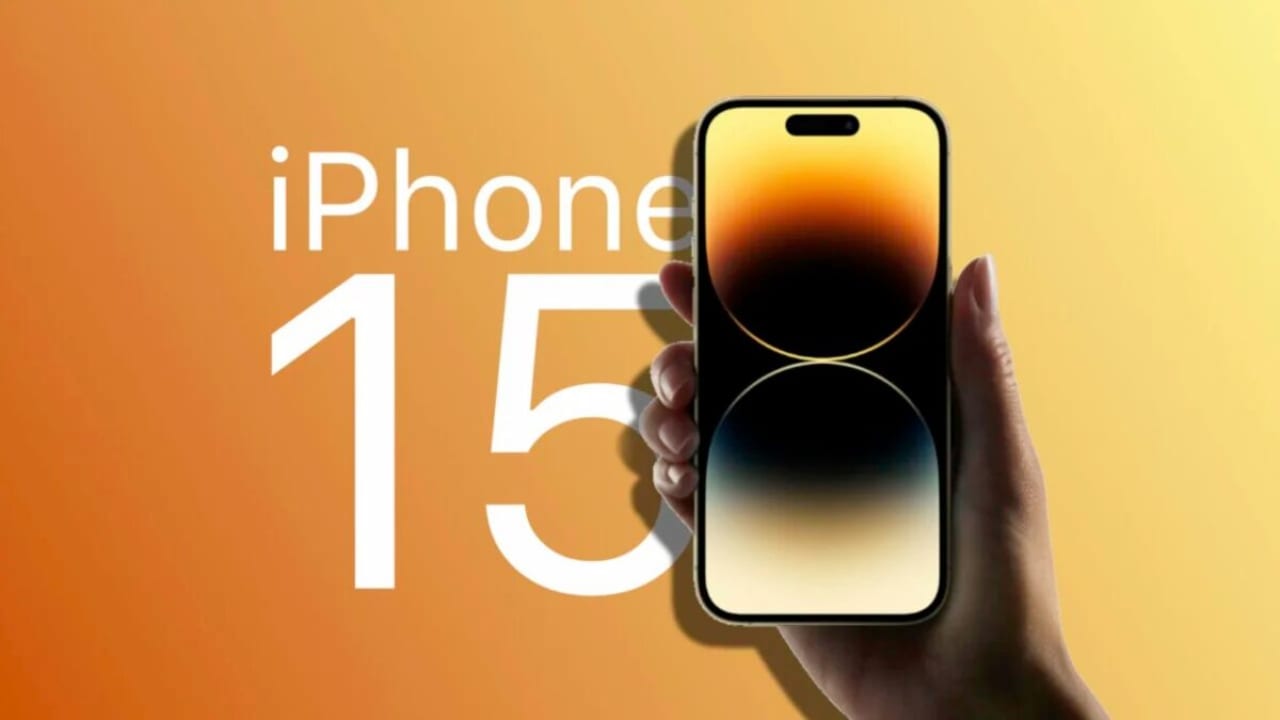
The global smartphone industry is currently standing at the precipice of a significant technological shift as Apple reportedly prepares to expand its "eSIM-only" strategy to the iPhone 15 lineup. Following the precedent set by the United States-exclusive removal of the physical SIM tray in the iPhone 14 series, market analysts and supply chain reports suggest that the Cupertino-based tech giant is ready to implement this design in additional territories. This transition represents one of the most substantial changes to cellular connectivity since the introduction of the nano-SIM in 2012. While the move promises a future of streamlined hardware and enhanced security, it also presents a series of logistical challenges for international travelers and smaller telecommunications providers.
The Evolution of Cellular Connectivity: A Brief Chronology
To understand the significance of the iPhone 15’s rumored transition, one must look at the historical trajectory of the Subscriber Identity Module (SIM). For over three decades, the physical SIM card has been the standard for authenticating users on cellular networks.
- 1991: The first plug-in SIM card, roughly the size of a credit card, is introduced.
- 1996: The Mini-SIM becomes the standard for the first generation of popular mobile phones.
- 2010: Apple introduces the Micro-SIM with the iPhone 4, forcing a reduction in card size to save internal space.
- 2012: The Nano-SIM debuts with the iPhone 5, further shrinking the physical footprint of the connector.
- 2018: Apple integrates eSIM technology alongside a physical slot in the iPhone XS and XR, allowing for Dual SIM functionality.
- 2022: The iPhone 14 launches in the U.S. as an eSIM-only device, removing the physical tray entirely for the domestic market.
- 2023: Rumors and regulatory filings suggest the iPhone 15 Pro and Pro Max will extend this eSIM-only architecture to European and Asian markets.
Understanding eSIM Technology and the iPhone 15 Rumors
An eSIM, or embedded SIM, is a small, programmable chip soldered directly onto the device’s logic board. Unlike its physical counterpart, which requires a manual swap to change carriers, an eSIM can be programmed remotely via software. This technology utilizes the eUICC (Embedded Universal Integrated Circuit Card) standard, which allows for the storage of multiple carrier profiles simultaneously.
Reputable industry analysts, including Ming-Chi Kuo of TF International Securities, have indicated that the iPhone 15 Pro series will likely be the primary vehicle for this transition. While the standard iPhone 15 and 15 Plus models may retain the physical slot in certain regions to accommodate slower infrastructure adoption, the "Pro" models are expected to lead the charge toward an all-digital future. This phased rollout strategy allows Apple to pressure carriers to upgrade their systems while minimizing the risk of alienating users in regions where eSIM adoption remains low.
The Engineering Case for a Slotless Design
The removal of the physical SIM tray is not merely a push for digitalization; it is a calculated engineering decision. In the highly competitive world of smartphone manufacturing, internal real estate is measured in fractions of millimeters.
Internal Space Optimization
By removing the SIM card slot, the spring-loaded tray mechanism, and the associated reader on the logic board, Apple gains valuable internal space. This "recovered" volume can be redirected toward increasing battery capacity, enhancing the Taptic Engine for better haptic feedback, or accommodating the rumored periscope zoom lens expected in the iPhone 15 Pro Max.
Structural Integrity and Environmental Protection
The SIM tray is one of the few remaining physical openings in the iPhone’s chassis. Every port or tray is a potential ingress point for water and dust. Eliminating this opening allows for a more robust unibody design, potentially allowing the iPhone 15 to achieve higher IP (Ingress Protection) ratings than its predecessors. This move aligns with Apple’s long-term vision of a "portless" iPhone, which began with the removal of the 3.5mm headphone jack in 2016.
Enhanced Security and Consumer Protection
From a security standpoint, the eSIM offers several advantages over traditional plastic cards. Physical SIM cards are susceptible to "SIM swapping" attacks, where a bad actor physically steals a card or tricks a carrier into porting a number to a new card to bypass two-factor authentication (2FA).
Because an eSIM cannot be physically removed from a stolen device, it provides an additional layer of theft deterrence. If a thief steals an iPhone 15, they cannot simply discard the SIM card to prevent the owner from tracking the device via the "Find My" network. As long as the device has power, the embedded profile remains active, making the phone easier to locate and harder to resell as a functional unit. Furthermore, the encryption used in the Secure Element of the iPhone’s chip makes it significantly more difficult for hackers to clone or intercept cellular data.
Logistical Challenges and Industry Reactions
Despite the technical benefits, the transition to eSIM-only is not without friction. The primary concern among tech enthusiasts and industry experts involves the "walled garden" effect and the limitations of current carrier infrastructure.
The Roaming Dilemma for Travelers
For decades, international travelers have relied on the "local SIM" strategy—landing in a new country and purchasing a cheap physical SIM card at the airport to avoid exorbitant roaming fees. An eSIM-only iPhone 15 complicates this. While digital providers like Airalo and Holafly have gained popularity, many local carriers in developing nations do not yet offer prepaid eSIM profiles to tourists. This could force users into expensive roaming plans provided by their home carriers.
Carrier Readiness and Market Fragmentation
While major Tier-1 carriers like AT&T, Verizon, and T-Mobile in the U.S., and Vodafone or Orange in Europe, have robust eSIM support, hundreds of smaller regional carriers and Mobile Virtual Network Operators (MVNOs) are still lagging. Industry data suggests that while over 400 carriers globally support eSIM, thousands of smaller providers still rely on physical distribution. If Apple moves too quickly, it risks a backlash from consumers who find their preferred low-cost carrier is incompatible with their new $1,000 device.
Fact-Based Analysis of Market Implications
The move to eSIM-only is expected to accelerate the consolidation of the telecommunications industry. Larger carriers favor eSIM because it lowers the overhead costs associated with manufacturing, storing, and shipping physical cards. According to a report by Counterpoint Research, the eSIM-capable device market is expected to grow at a compound annual growth rate (CAGR) of 15% through 2025, largely driven by Apple and Samsung’s flagship shifts.
However, there is a "right to repair" concern. Independent repair shops have noted that troubleshooting cellular connectivity issues is easier with a physical SIM; if a phone cannot connect, swapping the SIM into a known-working device quickly identifies if the fault lies with the hardware or the service. With eSIM, users are entirely dependent on software resets and carrier customer service, which can be a bottleneck during hardware failures.
Official Responses and Strategic Positioning
While Apple has not officially commented on the iPhone 15’s specific tray configuration ahead of its launch, the company’s support documentation has increasingly emphasized the "simplicity" of eSIM. During the iPhone 14 launch, Apple executives highlighted that eSIM allows users to have up to eight or more profiles on a single device, with two active at once.
Carrier responses have been cautiously optimistic. T-Mobile and AT&T have both launched "Easy Switch" tools that utilize eSIM to allow customers to test their networks for free without a physical card. This suggests that the industry is viewing eSIM not just as a hardware change, but as a customer acquisition tool. By removing the physical barrier to switching, Apple is effectively making the carrier a software choice rather than a hardware one.
Conclusion: The Inevitability of the Digital SIM
As the iPhone 15 debut approaches, the evidence points toward a future where the physical SIM card is a relic of the past. The transition mirrors the industry’s previous moves away from floppy disks, CD-ROMs, and headphone jacks. While the initial phase may cause inconvenience for international travelers and customers of smaller carriers, the long-term benefits of improved device design, superior security, and the convenience of over-the-air activation are difficult to ignore.
The iPhone 15 Pro will likely serve as the catalyst for a global infrastructure upgrade. As Apple pushes the envelope, carriers worldwide will be forced to modernize their activation systems or risk losing the most lucrative segment of the smartphone market. The "controversy" surrounding the eSIM-only design is likely a short-term hurdle on the path to a more integrated and secure mobile ecosystem. Whether the market is fully ready or not, the era of the physical SIM card is drawing to a close, ushered out by Apple’s relentless pursuit of a seamless, slotless future.
