
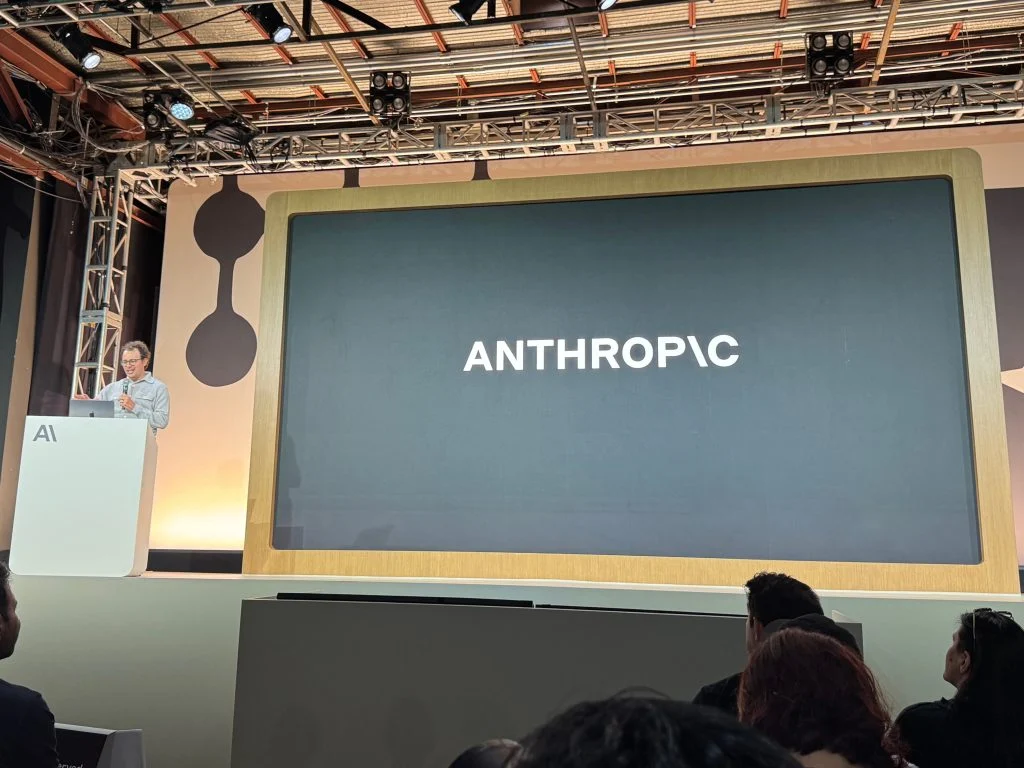

Anthropic has officially moved Claude Security, its advanced defensive security tool integrated within Claude Code, out of a closed preview and into a public beta. This significant development, announced on Thursday, marks a pivotal step in Anthropic’s mission to bolster code security through artificial intelligence. Initially accessible to a select group of Enterprise and Team plan users during its private preview, Claude Security is now available to all Claude Enterprise customers. The company has also indicated that support for users on the Team and Max plans will be rolled out soon, expanding its reach and impact on the cybersecurity landscape.
The private preview of Claude Code Security was launched in February, preceding Anthropic’s notable announcements of Claude Mythos and Project Glasswing. While these later initiatives represent a broader ambition in AI for cybersecurity, the underlying mission and technological underpinnings of Claude Security align closely with these efforts. Since its initial limited release, Anthropic reports that hundreds of organizations have leveraged Claude Security to identify and rectify vulnerabilities in their production code – issues that had eluded conventional security tools for years. This track record underscores the tool’s efficacy and the growing need for AI-driven solutions in proactive code defense.
From Closed Preview to Public Beta: A Strategic Rollout
The transition of Claude Security to a public beta phase represents a strategic move by Anthropic. The initial private preview, which commenced in February, served as a crucial testing ground. During this period, Anthropic gathered invaluable feedback and refined the tool’s capabilities based on real-world usage. The decision to expand availability beyond the initial Enterprise and Team tiers to include all Enterprise customers, with Team and Max plans to follow, indicates a growing confidence in the tool’s maturity and a desire to accelerate its adoption across a wider spectrum of businesses.
The private preview was limited to Enterprise and Team users, a common practice for advanced enterprise software to ensure robust testing and gather targeted feedback from organizations with complex security needs. The upcoming expansion to Max plan users signifies a broader market strategy, aiming to democratize access to advanced AI-powered security solutions. This phased rollout allows Anthropic to manage user onboarding, provide dedicated support, and continue iterating on the product based on a larger and more diverse user base.
Claude Security: A New Paradigm in Vulnerability Detection
Claude Security distinguishes itself through its sophisticated approach to code scanning. Unlike many traditional tools that primarily focus on identifying known vulnerabilities or signature-based threats, Claude Security employs a more dynamic and comprehensive methodology. The tool is designed to scan an entire codebase by utilizing multiple AI agents that operate in parallel. This distributed approach allows for a deeper and more granular examination of the code, including a meticulous analysis of data flows. By tracing the path of data throughout the application, Claude Security can build a more complete and nuanced understanding of the potential attack surface, uncovering vulnerabilities that might be missed by static analysis alone.
When the tool detects a potential issue, it doesn’t stop at mere identification. Claude Security initiates an additional validation pipeline to rigorously verify the accuracy of its findings. This internal challenge mechanism is designed to minimize false positives, a common frustration with automated security tools. By having Claude challenge its own detections, Anthropic aims to ensure that security analysts receive alerts that are highly reliable, allowing them to focus their efforts on genuine threats. This commitment to accuracy is crucial for building trust and ensuring the efficient allocation of security resources.
The "Mythos Lite" Analogy and Its Implications
The capabilities of Claude Security have drawn comparisons to Anthropic’s more advanced, yet still largely unreleased, AI system, Claude Mythos. While Mythos is understood to be a more powerful and sophisticated AI, Claude Security can be seen as a "Mythos Lite" – a highly capable tool that brings some of Mythos’s core strengths in vulnerability detection to a broader audience. The ability of Claude Security to identify issues that have been overlooked by existing tools echoes the claims made about Mythos, suggesting a consistent focus on pushing the boundaries of AI in cybersecurity.
The underlying model powering Claude Security, Opus 4.7, while not as advanced as Mythos, is still a highly capable large language model. This allows Claude Security to perform complex code analysis and generate relevant security insights. The implication here is significant: by making this technology accessible in beta, Anthropic is empowering organizations to proactively scan their own codebases and, by extension, potentially any open-source library they utilize. This opens up possibilities for identifying potential zero-day attacks, even if Claude Security itself does not generate exploit code. The focus remains firmly on defense and proactive identification.
Bridging the Gap Between Discovery and Remediation
A key promise of AI-driven security tools like Claude Security is the reduction of the time and effort required to move from identifying a vulnerability to implementing a fix. Anthropic highlights this advantage, stating that "users can open a Claude Code session to work through the patch in context, instead of days of back-and-forth between security and engineering." This seamless integration between security analysis and development workflows is a major step forward.
By default, every identified vulnerability comes with a recommended patch. This not only speeds up the remediation process but also ensures that security teams can easily review and approve proposed fixes, further streamlining the security lifecycle. This integrated approach aims to break down traditional silos between security and engineering departments, fostering a more collaborative and efficient environment for maintaining code integrity.
Enhancements and Future Capabilities
Since its launch, Anthropic has continued to enhance Claude Security based on user feedback and ongoing development. New features introduced during the preview period include the ability to schedule regular scans, providing automated and continuous security monitoring. Users also gain the capability to dismiss specific findings with detailed comments, allowing for better management of known or acceptable risks. Furthermore, the addition of CSV and Markdown export options facilitates the integration of scan results into existing reporting and management tools, ensuring that Claude Security can fit within established organizational workflows.
These additions demonstrate Anthropic’s commitment to making Claude Security a practical and indispensable tool for modern development teams. The ability to schedule scans ensures that security remains a continuous concern, not just a periodic check. The dismissal feature allows for nuanced risk management, and the export options enhance interoperability, making the data generated by Claude Security actionable across different platforms.
Distinguishing Claude Security from Claude Code Review
It is important to differentiate Claude Security from another Anthropic offering, Claude Code Review. While both tools leverage AI to analyze codebases, their primary objectives and scope differ. Claude Code Review is a multi-agent tool designed for a broader range of code analysis tasks on GitHub, including identifying various types of bugs, not exclusively security-related ones.
In a previous interview with The New Stack, Cat Wu, Head of Product for Claude Code at Anthropic, clarified this distinction. She explained that while Claude Code Review can flag security issues, it is not as specialized or thorough in its security analysis as Claude Code Security. Claude Security is purpose-built for deep vulnerability detection, employing a more specialized approach to identify and address security weaknesses with greater precision and depth. This specialization ensures that organizations seeking dedicated security scanning capabilities can rely on Claude Security for its focused and advanced threat detection features.
The ongoing development and public beta release of Claude Security underscore Anthropic’s commitment to advancing AI’s role in cybersecurity. By providing organizations with a more powerful and intuitive tool for identifying and remediating code vulnerabilities, Anthropic is not only enhancing the security posture of its users but also contributing to the broader effort of building more resilient and secure software ecosystems. The move to a public beta signifies a crucial step in making these advanced AI capabilities more accessible, promising to reshape how businesses approach code security in the years to come.
